The Purpose of Small Hallway Sinks
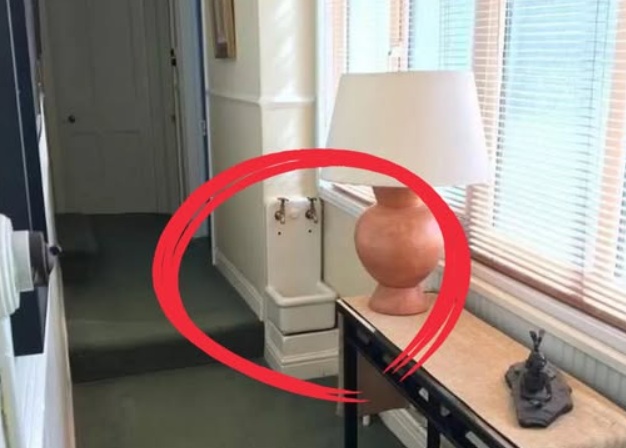
You know those old homes that make you feel like the floor is going to swallow your keys if you drop them? You’re walking through a dark, creaky hallway, and there’s a strange draft from who knows where. Then—boom—a tiny sink just appears! Not in a bathroom or anywhere near where you’d expect it, but neatly hanging out in your hallway. I remember the first time I saw one, I thought it was soooo weird.
Honestly, who puts a sink in a hallway? I thought it must be some weird construction mistake, or maybe just a by-product of bad planning. I even asked my husband when I noticed that his old house had one of these sinks. He had no idea what it was for, staring at it with the same confused expression. The guesses from people on Reddit were priceless! Some thought it was a foot washer, others thought it was a fancy spittoon, and there were even people who guessed it was some plumbing fail that no one bothered to fix.
But it’s not a fail. It turns out this quirky little sink actually served a real, functional purpose, and once I started digging into it, I discovered it had a cool story behind it.
Hallways Back When Hallways Mattered
Let’s rewind to the early 1900s—before powder rooms or fancy half-baths became standard in homes, and before every house had at least one bathroom per floor. Back in those days, if you were lucky enough to have indoor plumbing (which was pretty rare), you likely had only one bathroom in the house. And that bathroom was probably in an inconvenient spot—sometimes upstairs, sometimes at the end of the hall. It wasn’t always in the most practical or easily accessible place.
Also, back then, staircases were much steeper and more dangerous, so it wasn’t the easiest thing to go upstairs just to wash your hands or freshen up before dinner.
Hallways, however, were very different from the narrow, forgettable spaces they are often treated as today. They weren’t just a means to get from one room to another—they were multi-functional, bustling spaces. People took off their boots and coats there, and maybe dropped off a hat or scarf. Conversations took place in hallways, and sometimes, people would linger for long periods just standing around and chatting.
Given that, it made perfect sense to include a small sink in the hallway—a convenient, immediate solution to help people wash their hands or faces without having to trek all the way upstairs to the bathroom. It saved time and kept the household running smoothly.
The Hygiene Revolution
This was around the time when germ theory was starting to take hold. Before this, people didn’t think much about hygiene. It was an era where dirt was still often associated with building character, and “wash your hands before dinner” wasn’t something people did by habit. But with the advent of germ theory, the idea that cleanliness was important began to seep into society.
Washing your hands before a meal became not only a good idea but a basic standard for personal hygiene. But, back in the day, there weren’t many bathrooms to go around, and kitchens were far too busy to serve as hand-washing stations.
Enter the hallway sink. It wasn’t intended for luxury or comfort—it was a functional solution to a growing hygiene need. Instead of everyone marching upstairs, or trudging through the kitchen just to wash their hands, the hallway sink became the go-to solution. It was quick, easy, and relatively out of the way. Plus, it helped avoid those awkward situations where you’d have guests wandering through bedrooms just to use the bathroom.
Funny, Small, But It Served a Purpose
Now, some of these hallway sinks were tiny—so small that they barely fit a dish or an apple. But that was all they needed to do. These sinks were never intended for heavy-duty use—no baths or dishwashing here! They were simply for a quick hand wash or face rinse before heading into the main part of the house, especially after being out on the dusty streets.
The design? Classic two-tap setup: one for hot water, one for cold. Of course, balancing the temperature was often a bit of a challenge. But hey, it did the job. And more importantly, it kept people’s dirty city grime from transferring straight to the dinner table.
It made sense—having a sink in the hallway was far less intrusive than forcing everyone to use a bathroom just for a quick wash.