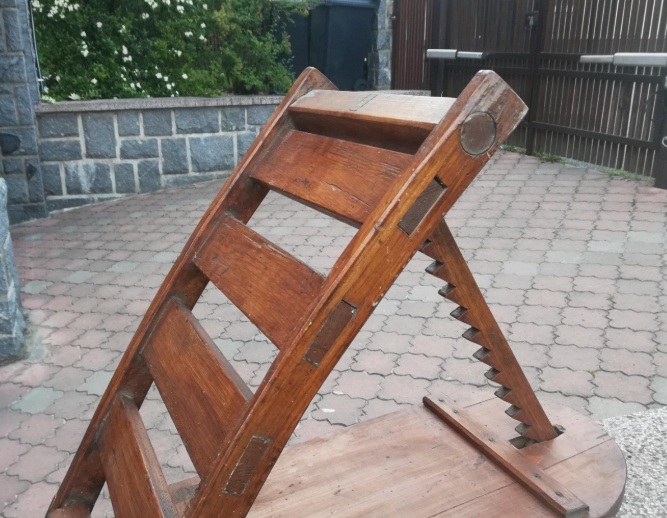
Exploring the Historical Significance and Functionality of a Timeless Wooden Cheese Press
When exploring the dusty corners of an old house or farmhouse, it’s not uncommon to stumble upon a peculiar object that seems to defy time. Perhaps it’s a faded painting, a vintage kitchen appliance, or a well-worn tool that was once a staple of everyday life. One such artifact, which might capture your attention in these settings, is a wooden appliance that once played an essential role in the lives of those who lived and worked in the home. As unassuming as it may appear, this wooden relic has a story to tell—a story deeply intertwined with self-sufficiency, culinary tradition, and a way of life long since passed.
For those with a keen eye for craftsmanship and history, these forgotten tools can be more than just curiosities; they are tangible remnants of a bygone era, offering a glimpse into the lives of those who lived before us. Among these artifacts, a wooden cheese press stands as a notable example of the intersection between practicality and craftsmanship, providing a window into the past when making cheese was a labor of love, requiring time, patience, and skill.
The Purpose and Function of the Wooden Cheese Press
To the untrained eye, a wooden cheese press might seem like just another household tool. However, upon closer inspection, it becomes clear that this device served an important function in food preservation and daily sustenance. In essence, the cheese press is a tool designed to compress curds and extract excess whey, resulting in a firm, flavorful block of cheese. The design of these presses varied widely based on regional traditions and the types of cheese being made, but their purpose remained consistent: to transform raw, milk-based ingredients into something both delicious and preservable.
The concept behind the cheese press is relatively simple, yet effective. By applying gentle, sustained pressure to curds, the excess liquid, or whey, is expelled, leaving behind a dense, more solidified mass. This process not only improves the texture and density of the cheese but also plays a key role in its preservation. By removing excess moisture, the cheese becomes less prone to spoilage and can be stored for longer periods.
Historically, cheese-making was a process that required significant time and effort. Depending on the type of cheese being made, curds would be pressed for hours, sometimes even days, to achieve the desired consistency. This slow process was a labor of love, requiring patience and precision. The wooden cheese press was an essential part of this process, serving as a tool that allowed homemakers and farmers to craft cheeses with varying textures, flavors, and sizes.
The beauty of the cheese press lies in its versatility. Whether making a soft, creamy cheese like ricotta or a firm, aged variety like cheddar, the press could be adjusted to suit the needs of the cheese-maker. With its sturdy design and efficient functionality, the wooden cheese press became a staple in kitchens and farms across the globe.
A Glimpse Into the Past: Cheese-Making and Regional Traditions
The wooden cheese press is not just a tool; it is a symbol of culinary tradition and regional practices that have been passed down through generations. Cheese-making has long been a vital part of food culture, with each region developing its own unique methods and recipes. From the rolling hills of Europe to the vast farmlands of North America, cheese-making has been an essential part of life for centuries.
In Europe, particularly in countries like France, Switzerland, and Italy, cheese-making is deeply ingrained in the cultural fabric. Families have passed down recipes and techniques through generations, with each region having its own distinct styles of cheese. For example, the French are known for their soft, creamy cheeses like Brie and Camembert, while Switzerland is famous for its robust, aged cheeses like Gruyère and Emmental.
In rural communities, cheese-making was not just a means of sustenance; it was also a communal activity. The entire family would often be involved in the process, from milking the cows to pressing the curds and aging the cheese. The wooden cheese press was a key tool in this process, as it allowed homemakers to produce large quantities of cheese at once, ensuring that the family had enough to last through the winter months.
In addition to the practical aspects of cheese-making, there was also an element of artistry involved. The craft of making cheese was something that was passed down through families, with each individual adding their own personal touch to the process. This is where the role of the cheese press becomes even more significant. The way in which the curds were pressed, the amount of pressure applied, and the duration of pressing all had a direct impact on the final product. A well-made cheese press was a mark of craftsmanship, and its design reflected the skill and knowledge of the maker.
The Slow Craft of Cheese-Making: Time, Patience, and Precision
Making cheese is not a quick or easy process. Unlike many modern food production methods that rely on mass production and automation, traditional cheese-making was a slow, hands-on craft that required significant effort and attention to detail. The process often began early in the morning, with the milking of cows or goats, and continued throughout the day as curds were separated from the whey and carefully pressed into molds.
The cheese press played a crucial role in this process. By applying steady, even pressure, the press helped to ensure that the curds were compacted properly, resulting in a firm texture and a distinct flavor. However, the pressing process was not instantaneous. Depending on the type of cheese being made, the curds would be pressed for several hours or even days, with the pressure gradually increasing over time.
The goal of this slow, patient process was to achieve the perfect balance of moisture and texture. A cheese that was too wet would be soft and mushy, while a cheese that was too dry would be crumbly and difficult to cut. The cheese press, therefore, was not just a tool for compressing curds—it was an instrument that allowed the cheese-maker to control the texture and density of the final product, ensuring that each wheel of cheese was just right.
As cheese-making was often done on a small scale, many families took great pride in the quality of their cheese. For some, the process was a seasonal event, a tradition that brought the family together and created a sense of community. In this context, the wooden cheese press was much more than a functional tool; it was a symbol of self-sufficiency, creativity, and tradition.
The Cheese Press as a Symbol of Self-Sufficiency and Sustainability
In the early days of cheese-making, particularly in rural or farming communities, self-sufficiency was a way of life. Families relied on the land and their own skills to provide food, shelter, and other necessities. The wooden cheese press, along with other tools like butter churns and milk separators, was a vital part of this self-sufficient lifestyle.