The Meaning Behind License Plates with a Gold Star
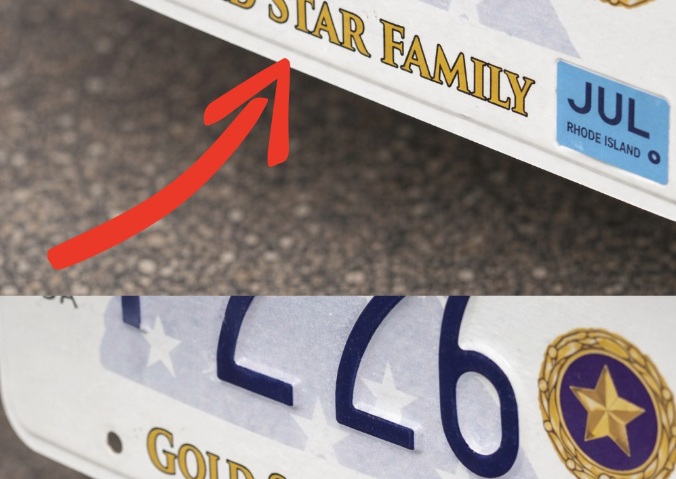
When driving through your local neighborhoods or along highways, you may have noticed certain vehicles with unique license plates featuring a gold star. If you’re like most people, you probably thought of it as just another decorative detail or perhaps a personalized feature that some car owners like to use. However, the gold star on a license plate holds deep significance. It’s not just a design, it’s a powerful symbol that carries with it a weighty and profound meaning.
A Gold Star license plate signifies a family member’s sacrifice in the line of military duty. It’s a somber reminder of the cost of freedom, the price paid by brave men and women who served their country. But how did this tradition come about, and what does it mean for the families who proudly display these plates? Let’s take a deeper dive into the Gold Star symbol, its historical roots, and the significance it holds for those who have lost loved ones in service to the country.
A Symbol of Sacrifice
A Gold Star on a license plate represents much more than a decorative touch. It is a solemn emblem that signifies a tragic yet heroic sacrifice made by a service member. The star tells the story of a fallen hero, someone who gave their life while serving in the military, protecting the values of freedom and liberty. It is a symbol of enduring love, loss, and pride—a poignant reminder that behind every military casualty is a family that bears the emotional weight of the sacrifice.
In the United States, the tradition of the Gold Star is tied directly to Gold Star Families, a group made up of the families of those who have died in service to the nation. Whether the fallen hero is a mother’s child, a father’s son, or a spouse’s partner, the Gold Star signifies not just the loss, but also the recognition of the sacrifice made by these military personnel.
The History of the Gold Star
The history of the Gold Star and its symbolic significance goes back over a century. It is deeply connected to the Blue Star program, a tradition that started during World War I.
In 1917, Army Captain Robert L. Queisser, of the Ohio 5th Infantry, introduced the Blue Star Service Banner. The banner featured a white background with a red border and one or more blue stars. Each blue star represented a family member who was actively serving in the military. Captain Queisser’s two sons were serving at the front lines during World War I, and he created the banner as a way to honor them, as well as other families with members who were fighting in the war.
At first, these banners were displayed in windows of homes, businesses, and schools across Ohio, symbolizing public support for military personnel. The blue star became a symbol of pride, patriotism, and the hope that all service members would return home safely.
By September 1917, the Blue Star Service Banner was officially recognized in the Ohio Congressional Record. It became a widely accepted tradition, spreading across the country and showing the nation’s collective support for soldiers.
However, as the war ended and families began to face the harsh reality that not all soldiers would return home, the need to honor those who paid the ultimate price became increasingly apparent.