Most People Toss Old Eyeglass Cases Into Junk Drawers Without A Second Thought, But These Forgotten Little Containers Can Secretly Save You Money, Organize Your Entire Life, Simplify Travel, Reduce Household Clutter, Protect Important Items, And Become Surprisingly Brilliant Everyday Tools Once You Discover These 10 Clever Reuse Ideas That Turn Ordinary Cases Into Practical Household Lifesavers
Most people never think twice about old eyeglass cases. The moment a pair of glasses breaks, gets replaced, or disappears somewhere between couch cushions and car seats, the case usually ends up forgotten in a drawer or tossed directly into the trash. Yet those sturdy little containers are far more useful than they appear. In a world where people spend hundreds of dollars on organizers, travel accessories, storage systems, and clutter solutions, old eyeglass cases quietly sit ignored despite being perfectly designed for dozens of practical uses. Their compact size, durable shell, and portability make them surprisingly versatile for everyday life. Some are hard and protective, others soft and flexible, and many come with stylish finishes that make them look far more expensive than they actually are. Instead of contributing more waste to overflowing landfills, these forgotten cases can become some of the handiest organizational tools in your home. The best part is that most reuse ideas require no crafting skills, no complicated tools, and almost no money. A quick rinse, a little creativity, and suddenly an item people normally throw away becomes useful all over again. Sustainability often sounds complicated or expensive, but sometimes it begins with something as small as keeping an old eyeglass case and seeing it differently. Many people are shocked when they realize how many small daily annoyances these cases can solve. Tangled cables, lost medicine, messy drawers, broken earbuds, missing screws, scattered craft supplies, and cluttered purses all become easier to manage with one simple container. Over time, these little solutions save money, reduce stress, and make everyday routines smoother. The truth is that eyeglass cases are already designed to protect fragile items while remaining lightweight and portable, which is exactly why they work so well for so many unexpected purposes. Once people discover how useful they are, they often stop throwing them away completely and start intentionally saving extras for future projects. Some even begin asking friends or family members for unused cases because the possibilities become almost endless after the first successful reuse.
One of the smartest and most practical ways to reuse an old eyeglass case is by turning it into a compact first aid kit. Most people know the frustration of needing a bandage, pain reliever, or antiseptic wipe while traveling, driving, hiking, or sitting at work with no medical supplies nearby. Eyeglass cases are perfectly sized for emergency basics and small enough to fit into nearly any bag, glove compartment, desk drawer, or backpack. A simple kit can include adhesive bandages, antiseptic wipes, tweezers, gauze pads, blister cushions, allergy medicine, pain relievers, and even emergency contact information folded neatly inside. Hard-shell cases provide extra protection so medications or supplies do not get crushed. Parents especially love this trick because children always seem to get cuts or scrapes at the most inconvenient times. Instead of carrying a bulky medical bag everywhere, a slim eyeglass case offers instant portability. Travelers also benefit enormously from this reuse idea because airports, road trips, and vacations often involve minor emergencies that are easier to handle with prepared supplies close at hand. Another incredibly useful transformation is creating a travel sewing kit. Loose buttons, ripped hems, broken straps, and small tears always seem to happen during important moments. An eyeglass case can easily hold needles, thread, safety pins, miniature scissors, spare buttons, tiny measuring tape, and even fabric tape for quick repairs. Business travelers often keep one in luggage because wardrobe malfunctions have a way of appearing right before meetings, weddings, conferences, or dinners. Beyond repairs, old eyeglass cases also work beautifully as technology organizers. Modern life is full of tangled earbuds, charging cables, USB drives, adapters, memory cards, and portable accessories that disappear into bags and drawers. Instead of spending time untangling cords or replacing lost chargers, people can neatly coil cables inside cases where they stay protected and organized. Labeling the outside of each case makes storage even easier. One case might hold phone chargers while another stores camera accessories or wireless earbuds. Frequent travelers especially appreciate this system because it keeps electronics from becoming a chaotic mess during flights or hotel stays. Many people even dedicate separate cases for work devices and personal devices to simplify organization further. The durability of eyeglass cases also helps protect fragile accessories from getting crushed under heavy items in backpacks or suitcases, which can save significant replacement costs over time.
Creative individuals and parents quickly discover another brilliant reuse idea when they transform old eyeglass cases into portable art kits. Children become restless during long car rides, doctor appointments, restaurant waits, or flights, and compact art supplies can become a lifesaver for both entertainment and creativity. Eyeglass cases can easily hold colored pencils, crayons, tiny markers, erasers, sharpeners, stickers, and folded paper or mini sketchpads. Adults who enjoy journaling, sketching, or creative hobbies also appreciate having a lightweight travel kit available at any moment. Artists often find inspiration unexpectedly, and carrying a portable case filled with supplies allows creativity to happen anywhere. Another highly practical use involves medication storage. Many people dislike carrying bulky pill organizers or keeping medicine bottles loose inside bags where they can spill or become damaged. Eyeglass cases provide a discreet, organized, and protective solution for storing vitamins, prescriptions, allergy tablets, or emergency medications. Small zip bags or divided containers fit perfectly inside most cases, allowing medications to remain secure and easy to access. Some people even decorate or label the cases according to schedules, such as morning medications, travel medications, or emergency supplies. The privacy factor is especially valuable because medication containers can remain hidden without drawing attention. Grooming kits are another surprisingly effective use for old eyeglass cases. Instead of loose nail clippers, tweezers, files, or personal hygiene products rattling around in purses and backpacks, everything can stay neatly stored in one compact container. A grooming case can include nail scissors, cuticle tools, small lotion bottles, lip balm, floss, hand sanitizer, and travel-sized hygiene essentials. This becomes particularly useful for professionals, students, or travelers who spend long hours away from home and want easy access to personal care items. People are often surprised by how much fits inside an average eyeglass case once they begin organizing strategically. Some even create multiple themed kits for different purposes such as travel, office use, gym bags, or emergency supplies. Over time, these small systems reduce clutter while making life feel significantly more organized. Instead of digging endlessly through bags looking for tiny items, everything stays protected and immediately accessible. That convenience alone makes old eyeglass cases far too valuable to throw away casually.
For people who enjoy home repairs, crafts, or DIY projects, old eyeglass cases can become miniature toolboxes and hardware organizers that eliminate a huge amount of frustration. Small screws, nails, bolts, Allen wrenches, drill bits, hooks, measuring tools, and repair accessories constantly disappear in junk drawers or toolboxes. An eyeglass case provides a durable and portable solution that keeps these tiny but important items together. Homeowners often create dedicated repair kits for specific tasks, such as furniture assembly, picture hanging, plumbing fixes, or electrical supplies. Instead of hauling out a large toolbox for every minor repair, a compact eyeglass case can contain just the essentials needed for quick jobs around the house. Crafters also find endless value in reusing these cases for sewing supplies, embroidery threads, beads, buttons, knitting needles, jewelry components, or scrapbooking accessories. Many crafting materials are tiny, easy to lose, and difficult to organize without spending money on expensive storage systems. Eyeglass cases solve that problem beautifully while remaining stackable and easy to label. Another incredibly useful reuse idea involves turning old cases into travel hygiene kits. Maintaining cleanliness while traveling can be challenging, especially when toothbrushes or personal items touch dirty surfaces inside luggage. Eyeglass cases create a protective barrier that keeps toothbrushes, toothpaste, floss, razors, or hygiene products sanitary and organized. Hard-shell cases are especially effective because they prevent items from getting crushed during transit. Some travelers even create separate hygiene kits for family members to simplify packing and avoid accidental mix-ups. Beyond personal use, decorative eyeglass cases can also become surprisingly elegant gift boxes. Instead of buying disposable packaging, a beautiful eyeglass case lined with tissue paper or fabric instantly transforms into a reusable gift container for jewelry, gift cards, cash, watches, handwritten notes, or small keepsakes. Recipients often appreciate the thoughtful packaging because the case itself remains useful long after the gift is opened. Budget-conscious individuals have also discovered another clever use by turning cases into cash envelope organizers. Different cases can represent grocery budgets, entertainment spending, savings goals, travel funds, or emergency money. This physical budgeting method helps many people control spending habits while keeping cash neatly separated and protected. Because eyeglass cases are slim and discreet, they store easily in drawers, safes, or handbags without attracting attention. These small organizational systems may seem simple, but collectively they reduce clutter, increase efficiency, and help people manage daily life far more effectively than they expect.
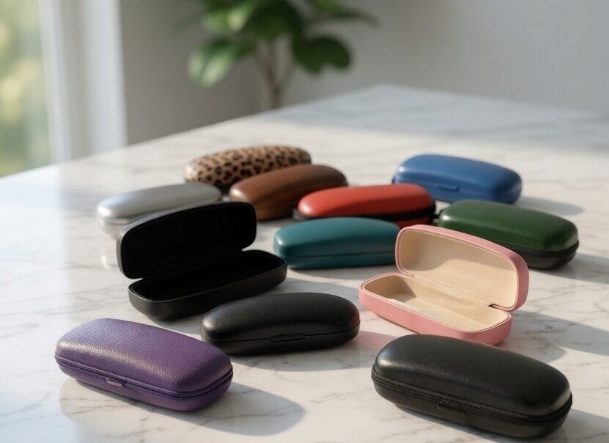
One reason eyeglass cases work so well for repurposing is because they are intentionally designed to solve problems people encounter every day. They are lightweight yet protective, portable yet durable, compact yet surprisingly spacious. Most are already lined with soft materials that help protect delicate contents, which makes them ideal for electronics, jewelry, medications, or fragile tools. Their size is another major advantage because they fit naturally into backpacks, purses, glove compartments, drawers, desks, and carry-on luggage without wasting space. Unlike many cheap storage containers, eyeglass cases are built to survive drops, pressure, travel, and daily wear. That durability makes them incredibly practical for long-term reuse. Environmentally, reusing them also contributes to reducing unnecessary waste. Millions of plastic and fabric cases are discarded every year even though most remain perfectly functional for decades. While one reused eyeglass case may seem insignificant, sustainability often begins with small behavioral changes repeated consistently over time. People who start repurposing simple household items frequently become more mindful about consumption in general. They begin noticing how many everyday objects still hold value even after their original purpose ends. Reusing items also saves money in subtle but meaningful ways. Instead of buying specialized organizers, travel kits, storage boxes, cable containers, or gift packaging, people can simply reuse something they already own. Over months and years, those small savings accumulate significantly. There is also a unique satisfaction that comes from transforming something forgotten into something genuinely useful. Many people describe feeling unexpectedly accomplished after organizing their cables, creating emergency kits, or decluttering drawers using repurposed cases. Children can also learn valuable lessons from these simple projects. Teaching kids to reuse and repurpose items encourages creativity, environmental awareness, and practical problem-solving skills. Instead of automatically throwing things away, they learn to ask an important question: “What else could this become?” That shift in thinking can influence habits for an entire lifetime. Even aesthetically, many eyeglass cases are attractive enough to blend seamlessly into home décor, office setups, or handbags. Leather cases, patterned fabric designs, metallic finishes, and colorful styles often look far more elegant than traditional plastic storage containers sold in stores. Some people even intentionally search thrift shops or secondhand stores for vintage eyeglass cases because they appreciate both the functionality and the design appeal.
At first glance, an old eyeglass case may appear ordinary and disposable, but that assumption changes quickly once people begin exploring its possibilities. A single small container can become a first aid kit, sewing kit, art case, cable organizer, medication holder, grooming pouch, mini toolbox, craft organizer, hygiene kit, gift box, or budgeting system depending entirely on individual needs and creativity. What makes these ideas so powerful is not just the practicality, but the mindset behind them. Repurposing everyday objects reminds people that usefulness does not disappear simply because an original purpose ends. In many ways, old eyeglass cases symbolize a larger truth about waste, creativity, and value. Modern culture often encourages constant replacement instead of thoughtful reuse, leading perfectly functional items to be discarded prematurely. Yet some of the smartest household solutions come not from buying more products, but from seeing existing objects differently. Something as small as an eyeglass case can reduce clutter, improve organization, simplify travel, protect valuables, and even save money over time. That combination of convenience and sustainability is exactly why more people are embracing creative reuse ideas in everyday life. Once someone successfully repurposes one eyeglass case, they often begin spotting opportunities everywhere — jars becoming storage containers, shoeboxes becoming organizers, old towels becoming cleaning cloths, and worn furniture becoming restoration projects instead of garbage. Small acts of reuse may not seem revolutionary individually, but collectively they encourage more intentional living. They reduce waste, promote creativity, and remind people that usefulness often depends more on imagination than price tags. So the next time an old eyeglass case ends up sitting forgotten in a drawer, it may deserve a second look before being thrown away. Inside that little container is far more potential than most people ever realize.