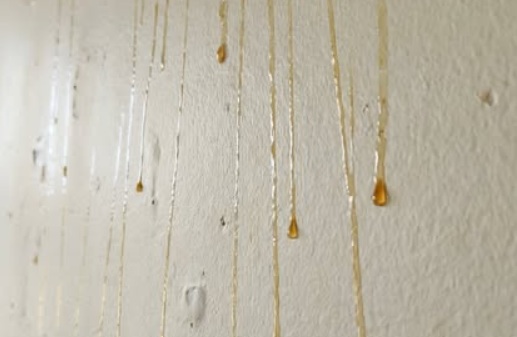
Yellow Stuff Dripping Down Your Bathroom Walls? Here’s What It Might Be and How to Fix It
If you’ve ever walked into your bathroom to see yellow stuff dripping down the walls, your first instinct might be panic. After all, this could be a sign of mold, and mold in your bathroom is no joke. Having personally dealt with mold in my grandparents’ house (a situation that involved an unforgettable pinkish slime incident), I completely understand the concern. Mold thrives in damp environments, and bathrooms, with their constant exposure to moisture, provide an ideal breeding ground.
But not all yellow stains are mold — so before you panic, let’s explore what this yellow stuff might be and how to address it effectively.
What Is Mold, and Why Is It Dangerous?
Before we dive into identifying the yellow substance, let’s quickly understand mold. Mold is a type of fungus that grows wherever there is moisture and organic matter, like food, wood, or even the drywall in your bathroom. It spreads through microscopic spores that float through the air, settling on damp surfaces to start growing.
While mold is certainly unsightly, it’s more than just a nuisance. Some types of mold can cause serious health issues, particularly for those with allergies or respiratory problems. Mold exposure can lead to coughing, sneezing, skin irritation, and in extreme cases, chronic health conditions. It’s especially concerning in high-moisture areas like bathrooms where mold can go unnoticed and multiply quickly.
Why Does Mold Happen in the Bathroom?
Mold’s favorite habitat is a warm, damp environment, which describes the conditions in most bathrooms perfectly. After you take a shower or bath, steam fills the room, and condensation forms on the walls and ceilings. If the moisture isn’t properly vented out, it lingers, creating a perfect spot for mold to settle in. The longer the humidity stays in the bathroom without drying out, the better the conditions for mold to flourish.
It’s common for mold to start in corners or around plumbing fixtures, but it can quickly spread to other areas. Over time, it can begin to drip down walls, leaving behind unsightly yellow, brown, or even green stains.
Now, let’s address the yellow substance specifically. It could be several things, and not all of them are mold. Here’s a breakdown of the possible culprits:
1. Nicotine Residue
If you’ve moved into an older home or a house where previous occupants were smokers, yellow stains could be nicotine residue. Nicotine from cigarette smoke can seep into walls, especially in humid conditions, causing yellowish discoloration to form over time. These stains are not harmful in themselves, but they’re definitely unsightly and difficult to clean.
2. Soap Scum and Hard Water Deposits
Another common cause of yellowish stains in bathrooms is soap scum and mineral deposits from hard water. When soap or shampoo mixes with the minerals in your water, it can leave behind a sticky, yellowish film on your bathroom walls. Over time, this can drip down and build up, creating unsightly stains. If you have hard water, you’re more likely to see this problem, especially in places where water tends to linger, like near faucets or showerheads.
3. Mold and Mildew
Yes, mold can sometimes appear yellow, particularly in its early stages. Mold that grows in the bathroom often starts off as a yellowish discoloration before it progresses to darker shades, like green, black, or brown. If the yellow substance is more spread out and appears in areas with high moisture, it could very well be mold or mildew. If it has a musty smell, it’s a clear sign that you’re dealing with fungal growth.
4. Oxidized Paint
Sometimes, yellowing on bathroom walls could be a result of oxidized paint. Bathrooms, being so damp, can cause paint to degrade over time. When this happens, the paint can react with the moisture in the air and start to oxidize, leaving behind yellowish streaks or drips. This is particularly common with older or poorly maintained bathrooms.