World’s “Deadliest Food” Kills 200 Each Year — And Millions Still Eat It
For most of us, food is comfort.
It’s breakfast before work.
Dinner with family.
Snacks between meetings.
Celebrations, holidays, and late-night cravings.
We rarely associate food with danger — at least not beyond undercooked chicken or expired milk.
But around the world, some foods carry real, documented risks. Not because they’re spoiled. Not because they’re contaminated. But because, in their natural form, they contain toxins powerful enough to cause paralysis, organ failure, or even death.
And yet — people still eat them.
Not recklessly.
Not ignorantly.
But often out of tradition, necessity, or cultural heritage.
One food in particular is sometimes referred to as the “world’s deadliest food” because it is linked to approximately 200 deaths per year.
Let’s explore what that food is — and examine nine others that can be dangerous if handled incorrectly.
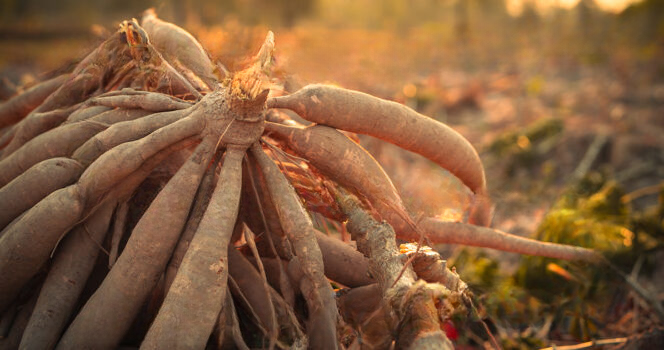
1. Cassava: The Cyanide-Laced Staple That Feeds Millions
World Health Organization reports that improperly processed cassava is responsible for around 200 deaths annually, earning it the grim title of “world’s deadliest food.”
That may sound shocking.
Cassava — also known as manioc or yuca — looks like an ordinary starchy root vegetable. It’s widely used in Africa, South America, and parts of Asia. It’s ground into flour, boiled, fried, mashed, and fermented.
But here’s the catch:
Cassava naturally contains compounds called cyanogenic glycosides. When eaten raw or improperly processed, these compounds can convert into cyanide in the body.
Cyanide poisoning can cause:
Headaches
Vomiting
Dizziness
Goiters
Paralysis
In severe cases, death
So why eat it at all?
Because for more than 800 million people worldwide, cassava is a survival crop.
It is:
Drought-resistant
Easy to grow in poor soil
Calorie-dense
Inexpensive
When properly prepared — soaked, fermented, dried, or thoroughly cooked — the cyanide levels drop to safe levels.
The danger lies not in the food itself, but in improper processing — often due to food scarcity, lack of time, or limited resources.
For many communities, cassava is not a luxury.
It’s a lifeline.
2. Fugu: The Japanese Delicacy That Can Paralyze in Minutes
In Japan, there is a dish that carries both prestige and peril: fugu, made from pufferfish.
The toxin inside certain pufferfish species is called tetrodotoxin — a substance estimated to be significantly more potent than cyanide.
Tetrodotoxin can cause:
Numbness around the mouth
Tingling sensations
Progressive paralysis
Respiratory failure
And here’s the chilling part: victims often remain fully conscious as paralysis progresses.
There is no antidote.
According to Japanese health authorities, dozens of poisonings occur each year, though fatalities are relatively rare thanks to strict regulation.
Only licensed chefs — who undergo years of training — are legally allowed to prepare fugu. They must carefully remove the toxic organs, particularly the liver and ovaries.
Despite the risk, fugu remains popular. For some diners, the slight tingling sensation from trace toxin exposure is part of the thrill.
It’s not just a meal.
It’s a calculated risk wrapped in culinary tradition.
3. Starfruit: Harmless to Most, Dangerous to Some
Starfruit, with its bright yellow skin and star-shaped slices, looks cheerful and harmless.
For most people, it is.
But individuals with kidney disease face serious risk.
Starfruit contains a neurotoxin that healthy kidneys can filter out. However, in people with impaired kidney function, the toxin can accumulate in the body.
Symptoms may include:
Persistent hiccups
Vomiting
Mental confusion
Seizures
In severe cases, death
The fruit itself is rich in vitamin C and antioxidants. It’s widely enjoyed in tropical regions.
The danger is specific — not universal.
For someone with healthy kidneys, starfruit is safe.
For someone with kidney disease, it can be life-threatening.
4. Cherry Pits and Apple Seeds: A Sweet Snack With a Toxic Core
The fruit is safe.
The seeds are not.
Cherry pits and apple seeds contain a compound called amygdalin, which can release cyanide when crushed or chewed.
Swallowing a whole cherry pit usually passes harmlessly through the digestive system.
But crushing or chewing large amounts of seeds could potentially release enough cyanide to cause symptoms such as:
Dizziness
Shortness of breath
Nausea
Weakness
The key word here is large amounts.
Accidental ingestion of a single pit is not a medical emergency.
Still, it’s wise to avoid cracking them open.
5. Green Potatoes: When Light Turns Toxic
Potatoes exposed to light develop a green tint.
The green color itself — chlorophyll — is harmless.
But light exposure can also increase levels of solanine, a natural toxin.
In high amounts, solanine may cause:
Nausea
Diarrhea
Headaches
Neurological symptoms
Severe cases are rare, but eating heavily green or sprouted potatoes is not recommended.
The solution is simple:
Peel green areas deeply.
Discard potatoes with extensive greening or sprouting.
Stored properly in a cool, dark place, potatoes remain perfectly safe.
6. Raw Cashews: Not As “Raw” As You Think
If you’ve ever seen “raw cashews” at the grocery store, there’s something important to know:
They are not truly raw.
Cashews in their natural state contain urushiol, the same chemical found in poison ivy.
Urushiol can cause:
Skin rashes
Burning sensations
Allergic reactions
To make cashews safe, manufacturers steam or heat-treat them to remove the toxin.
Truly raw, unprocessed cashews are not sold commercially for this reason.
A related note: mango skin also contains small amounts of urushiol, which is why some people experience mild irritation after handling mango peels.
7. Nutmeg: A Holiday Spice With Hallucinogenic Effects
Nutmeg is beloved in:
Eggnog
Pumpkin pie
Holiday desserts
But in large quantities, nutmeg can become toxic.
It contains a compound called myristicin, which affects the nervous system.
High doses may cause:
Hallucinations
Nausea
Rapid heartbeat
Confusion
Seizures
Just two teaspoons can trigger severe symptoms lasting days.
In rare cases, prolonged psychological effects have been reported.
In small culinary amounts, nutmeg is safe.
In excess, it’s not a spice — it’s a neurotoxin.
8. Death Cap Mushrooms: Mistaken Identity Can Be Fatal
Wild mushroom foraging carries inherent risks.
The death cap mushroom (Amanita phalloides) contains toxins that cause liver failure.
Symptoms may not appear immediately, which makes it especially dangerous.
After ingestion:
Initial mild symptoms may occur.
A false recovery period may follow.
Then severe organ failure can develop.
Historically, poisoning by death cap mushrooms has been documented in numerous fatal cases, including notable historical figures.
Only a small percentage of mushroom species are deadly.
But many poisonous varieties resemble edible ones.
Unless you are an expert mycologist, foraging wild mushrooms is risky.
Store-bought mushrooms are safe and cultivated under controlled conditions.
9. Rhubarb Leaves: The Tart Treat With a Toxic Top
Rhubarb stalks are delicious in pies and jams.
The leaves, however, contain high levels of oxalic acid.
In large quantities, oxalic acid may cause:
Kidney damage
Digestive distress
Electrolyte imbalance
The stalks are safe.
The leaves should be discarded.
Simple separation makes all the difference.
10. Raw Kidney Beans: A Toxin Destroyed by Heat
Kidney beans contain a natural toxin called phytohaemagglutinin.
Eating raw or undercooked beans can lead to:
Severe vomiting
Abdominal pain
Diarrhea
Surprisingly, slow cooking at low temperatures can make the toxin more potent.
The solution is straightforward:
Boil kidney beans vigorously for at least 10 minutes before simmering.
Proper cooking neutralizes the toxin completely.