Uncovering the Mystery of the Strange Fungus That Resembles a Hand Emerging from the Earth
Uncovering the Mystery of the Strange Fungus That Resembles a Hand Emerging from the Earth
Posted onFebruary 28, 2026 ByadminNo Commentson Uncovering the Mystery of the Strange Fungus That Resembles a Hand Emerging from the Earth
Imagine taking a casual walk through the woods, perhaps while hiking, mushroom hunting, or simply passing the time. Suddenly, you spot something that makes your heart race. What looks like a human hand, gnarled and black, is clawing its way out of the soil, fingers creeping through the fallen leaves. The eerie sight almost seems like something straight out of a horror movie. Your first reaction might be, “Is that a body?”
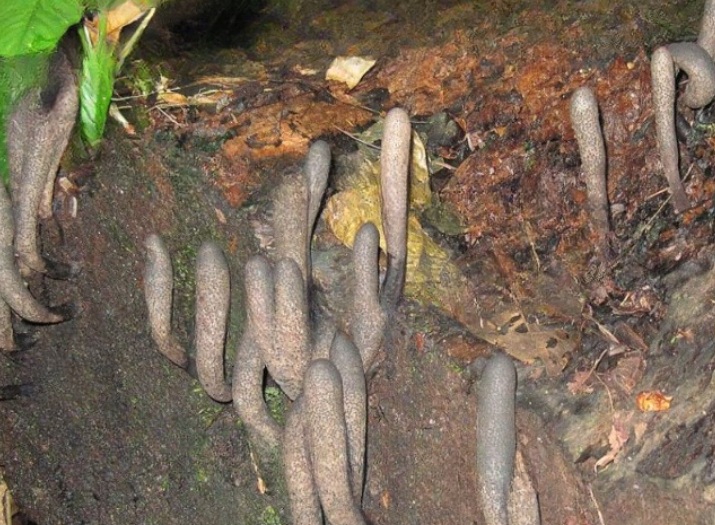
But no—what you’ve encountered is likely not a corpse. Instead, it’s a strange and unique fungus known as Dead Man’s Fingers. This bizarre organism has been haunting the forest floors, and its appearance is so unsettling that it seems almost unreal.
While the name alone might sound disturbing, the scientific name Xylaria polymorpha is far less ominous than the fungal growth itself. The first time I saw this fungus was on a foggy autumn afternoon, the forest thick with damp, decaying leaves. As I explored a rotting stump, I noticed something peculiar: a cluster of finger-like structures, black in color, strangely spread out in a manner that resembled a human hand. My curiosity was immediately piqued, and after a brief moment of hesitation, I decided to get a closer look.
What Exactly Are These Bizarre Fungus Structures?
At first glance, Dead Man’s Fingers might seem out of place in the natural world, but they’re fungi through and through. However, they aren’t your typical fairy-tale mushrooms with red caps and white spots. These fungi are far from whimsical. Instead, they resemble charred sausages or twisted, blackened roots, almost like they’re stuck halfway through an eerie transformation into a human hand.
These peculiar organisms are classified as saprophytes, meaning they feed on decaying organic matter rather than living organisms. Unlike parasitic fungi, which harm living plants and trees, Dead Man’s Fingers play an essential role in breaking down and recycling dead wood, particularly in the case of decaying hardwoods like oak, beech, and maple. They don’t damage living trees but instead help to decompose the old, contributing to the health of the forest ecosystem.
Initially, the fungi are soft and pale, with a fleshy appearance. But over time, as they age, they harden and darken to a deep black. The tips of the structures often become lighter or even white, further resembling fingers, which makes their human-like shape all the more striking. Despite their creepy appearance, these fungi are relatively small, typically ranging from one to two inches tall. They grow in clusters that can look like a hand reaching from the soil, creating an unsettling sight.
Can You Eat Them? Should You Touch Them?
While it may seem tempting to investigate these oddities further, Dead Man’s Fingers are not something you should consume. Technically, they’re not poisonous, but they are far too woody and fibrous to be considered edible. Chewing on one would be akin to gnawing on a stick, with no taste or nutritional value. Even if you dried and ground them, they would remain bitter and unpleasant, offering no benefit as food. So, while they may look like something out of a strange culinary experiment, they’re definitely not meant for your dinner plate.
However, they are safe to touch. Handling them won’t cause any harm, and you won’t develop a rash or encounter any unpleasant oozing substances. Even though these fungi are harmless in terms of physical contact, it’s always a good idea to wash your hands after touching wild fungi. They can still carry spores that might trigger allergic reactions, especially if you’re sensitive to fungal spores or are out during peak spore season.
When and Where Can You Spot Dead Man’s Fingers?
These unusual fungi are most commonly seen during the late summer and fall months, thriving in the damp, shady environments of the forest. Once they’ve dried out and hardened, however, Dead Man’s Fingers can remain visible for much of the year, slowly decomposing over time. In fact, you might even find them poking through a layer of snow, continuing their slow transformation.
To spot them, head to wooded areas where there are plenty of decaying hardwood stumps and roots. Look for places where the soil remains moist and shaded, as these conditions are ideal for their growth. Some common trees you might find them near include oak, beech, and maple, though the fungi will often prefer the base of rotting stumps or other decomposing wood.
The resemblance between Dead Man’s Fingers and human hands is not intentional, and it is simply a product of the way the fungi grow. The elongated, finger-like shape of the fungi is likely a natural adaptation that helps with spore dispersal. In essence, the fungus grows in a way that maximizes the chances of releasing spores into the air, where they can then spread and continue the cycle of growth.
The eerie likeness to human anatomy, particularly the appearance of “fingernail-like” tips, only enhances their creepy reputation. However, this is purely a byproduct of the fungus’s design and not something the fungi consciously strive for. It’s an accidental, yet highly disturbing, feature that makes these fungi one of the most unsettling things you can encounter in the wild.
The Role of Dead Man’s Fingers in the Ecosystem
Despite their unsettling appearance, Dead Man’s Fingers are an essential part of the ecosystem. These fungi play a crucial role in the decomposition process by breaking down decaying hardwood, a task that’s necessary for the health of the forest. As they break down this organic matter, they enrich the soil, allowing for new plants and trees to grow. This in turn provides food and shelter for countless other organisms in the ecosystem.
It’s easy to overlook the smaller and creepier parts of nature, but fungi like Dead Man’s Fingers remind us that even the most bizarre and grotesque organisms have an important function. Without fungi to decompose dead wood and organic material, the forest would become clogged with rotting matter, and new life would struggle to take root. These fungi might seem strange or unsettling, but they are an essential part of the natural world, ensuring that the cycle of life continues.
Why Should You Care About Dead Man’s Fingers?
Although their appearance might cause a few shivers, Dead Man’s Fingers are far more than just an eerie curiosity. Their role in the forest ecosystem is vital, as they help maintain the delicate balance of life by recycling dead plant material. Without organisms like these, the forest would be a much different place, lacking the nutrient-rich soil that sustains the plants and trees that rely on it.
In a world where we’re often focused on the most beautiful or appealing parts of nature, it’s important to remember that even the creepiest organisms have a purpose. Just as we might find beauty in the vibrant colors of flowers or the towering trees in the forest, there’s a unique kind of beauty in the fungi that work quietly in the background to keep everything running smoothly.