The Surprising Hack Every Driver Needs: How Putting 1 Glass of Salt in Your Car Can Solve Your Foggy Window Problems
We’ve all been there: you get into your car on a damp morning, your coffee in hand, running late for work, and you’re greeted by an unpleasant sight—your windows are completely fogged up. The heater is cranked up, you’re swiping at the windshield with your sleeve, and no matter what you do, the mist just won’t clear. It’s frustrating, time-consuming, and let’s be honest—it can feel like your entire car is a mini greenhouse.
What makes this scenario even worse is the mysterious damp smell that often accompanies this problem. You don’t even have a dog, yet your car smells like wet fur and mildew. It’s one of those tiny, annoying car problems that’s easy to ignore—until it’s impossible to ignore.
But here’s the good news: solving this problem doesn’t require you to buy an expensive spray or specialized gadget from the auto store. It turns out that the solution is simpler and cheaper than you might think—salt. Yes, the regular table salt that you sprinkle on your fries can be your new secret weapon against humidity, foggy windows, and even that musty smell in your car. Sounds too simple to be true? Let’s dive into the science behind this surprising hack and explain why it works so well.
At first, it might sound completely ridiculous. How could something as simple as salt do anything about all the moisture and humidity building up inside your car? Isn’t salt just for seasoning your food? While it may seem odd, salt is actually a hygroscopic substance. This means that it has the ability to absorb moisture from the air—think of it as a natural moisture magnet.
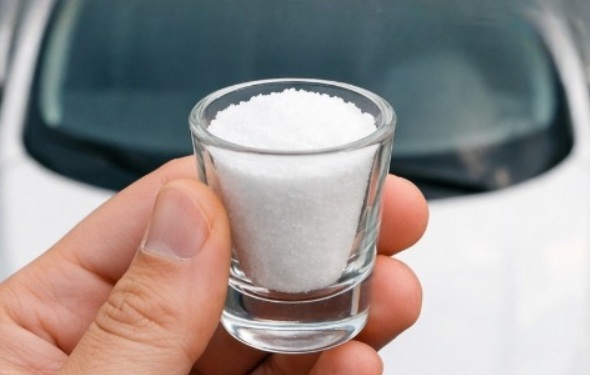
When you put a bowl of salt in your car, it quietly does its job of pulling water from the air, which helps to reduce the humidity levels inside your car. Over time, this moisture absorption can significantly reduce the foggy windows and damp seats that so often accompany high humidity in a car. You won’t even realize how much moisture has been building up until the salt starts working its magic.
The best part is that salt is something most of us already have in our kitchens. There’s no need to purchase expensive, hard-to-find products. You don’t need complex instructions or specialized gadgets. Simply grab a cup of table salt and let it do its work. The simplicity of this hack is one of the reasons it’s so effective—and why it’s recommended by mechanics and car owners alike.
One common concern when using salt in your car is whether it will create an unpleasant odor. After all, salt is often associated with the sea, so will your car start to smell like an ocean breeze? Fortunately, the answer is no. Salt does not deodorize the air in the traditional sense. Instead of masking odors, it works to eliminate the source of unpleasant smells—moisture.
Humidity and moisture in your car are the culprits behind that musty, damp smell. When excess moisture is allowed to linger, it can create an ideal environment for mold and mildew to grow. Salt, being hygroscopic, absorbs the moisture and prevents the growth of these bacteria and fungi. As a result, the stale smell is either completely gone or significantly reduced.
Unlike air fresheners that only mask odors temporarily, salt works proactively to prevent the buildup of moisture, which ultimately helps keep your car smelling fresh and clean. Your car won’t smell like saltwater—it will simply have less humidity and fewer of those damp, stale smells that are hard to shake.
If the thought of putting salt in your car still feels a little too unconventional, don’t worry. There are several alternative methods you can try to combat moisture and humidity in your vehicle. These hacks are just as effective, and they use everyday household items you probably already have on hand.
Old Newspapers for Moisture Absorption
A tried-and-true method is using old newspapers. Just crumple up a few sheets and toss them onto the floorboards or under the seats. Newspapers work similarly to salt—they absorb moisture from the air and help to dry out your car. While this may not be the most glamorous solution, it’s inexpensive and effective.
Silica Gel Packets
You know those small packets that come in boxes of shoes or electronics that say “Do Not Eat”? Those are silica gel packets, and they’re designed to keep things dry. Silica gel is highly absorbent, and it can do a fantastic job of soaking up excess humidity in your car. You can place a few packets in various spots around your vehicle, and they’ll quietly absorb moisture without you even noticing.
Activated Charcoal
Another option is activated charcoal, which is known for its moisture-absorbing properties. Place a few small bags of activated charcoal around your car to help regulate humidity levels and prevent moisture buildup.
While these backup options may not be as powerful as salt, they can still help control moisture and reduce foggy windows. All of these methods work by addressing the root cause of the humidity—excess moisture in the air—preventing it from creating the conditions that lead to foggy windows and unpleasant smells.
You might wonder: why is it so important to control the humidity in your car in the first place? After all, foggy windows are just a minor inconvenience, right? Well, the truth is that allowing moisture to linger in your car can lead to a host of other issues beyond just foggy windows. Here’s why it matters:
Mold and Mildew Buildup
When moisture is allowed to accumulate in your car, it creates an environment where mold and mildew can thrive. These fungi can grow on your seats, upholstery, and carpets, leading to unpleasant odors and potential health risks. Mold spores can trigger allergies and respiratory issues, so it’s essential to keep humidity levels in check to prevent their growth.
Corrosion of Car Parts
Excess moisture inside your vehicle can also cause metal parts, such as screws and bolts, to rust and corrode over time. This corrosion can lead to more significant problems with your car’s performance and longevity. By reducing humidity, you can prevent rust and ensure that your car stays in better condition for longer.
Electrical Problems
Moisture can also damage the electrical components of your vehicle. It can cause connections to corrode, wires to short out, and electrical systems to malfunction. By controlling the humidity, you help protect your car’s electrical systems and reduce the likelihood of unexpected repairs.