The Hidden Gem That Holds Centuries of Tradition
Imagine a sparkling Sunday afternoon in Nonna’s warm, bustling Italian kitchen. The scent of freshly baked bread fills the air, its golden crust enticing you even before you step inside. Alongside it, a musky, savory aroma of cured meats, like prosciutto and salami, lingers—reminders of the hearty meals that are the heart and soul of Italian family life. At the center of it all stands Nonna, smiling broadly, pride radiating from her as she gracefully slices thin, delicate pieces of prosciutto from a whole leg carefully perched on an old wooden ham rack.
For many of us, these are the moments that define childhood—a time when food was not just about sustenance, but about heritage, craftsmanship, and most importantly, love. Food was an expression of familial tradition, of shared history, and of the rich culture that each dish carried with it. As Nonna worked her magic, cutting paper-thin slices with assured precision, it wasn’t just the act of preparing food; it was the transmission of a legacy that had been passed down through generations.
In many Mediterranean kitchens, the prosciutto stand—a seemingly simple tool—has been central to these culinary rituals. Often dismissed as a utilitarian object, the prosciutto stand is, in fact, far more than just a piece of equipment. It represents centuries of tradition, craftsmanship, and cultural pride. To understand its true significance, we need to delve into its origins, its cultural importance, and its role in the daily life of Mediterranean families.
Beyond a Simple Cooking Tool: The Role of the Prosciutto Stand
At first glance, the prosciutto stand might seem like just another tool in the kitchen—something practical, but perhaps not particularly special. However, in Mediterranean culture, especially in Italy and Spain, this humble piece of equipment holds far more significance. It’s a tool that reflects the heart of Mediterranean cuisine—a cuisine built on simple, high-quality ingredients, love for food, and a deep respect for tradition.
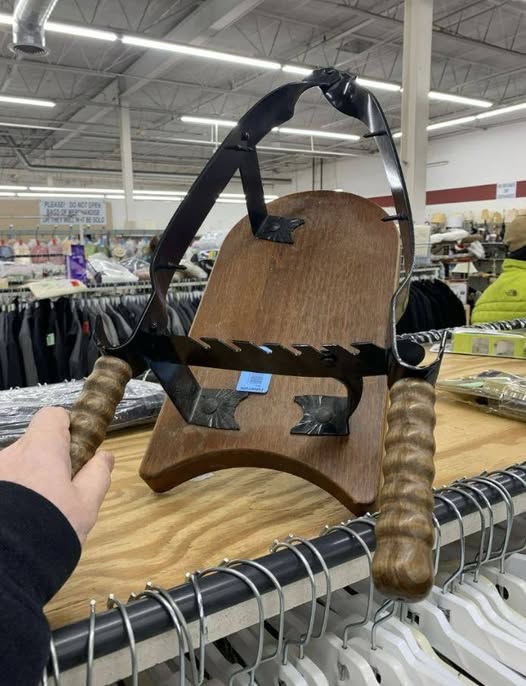
The prosciutto stand, often crafted from wood and sometimes metal, is a fixture in many Mediterranean homes, markets, and restaurants. It serves one clear purpose: to stabilize a large leg of cured ham, allowing the meat to be sliced into delicate, paper-thin pieces. While this may seem like a purely functional task, the stand itself is a symbol of something much deeper—a connection to history, to craftsmanship, and to a way of life that has existed for centuries.
But how did this unassuming object become such an important feature of Mediterranean culture?
From Antiquity to a Handy Tool of My Trade
The origins of the prosciutto stand can be traced back to the ancient method of curing meat. The practice of preserving meat by curing it with salt dates back to Roman times, when salt was the primary method of meat preservation. In regions like Parma, Italy—famous for its prosciutto—this practice was elevated to an art form. Prosciutto, a dry-cured ham, became not just a method of preservation, but a luxury product, something to be savored and celebrated.