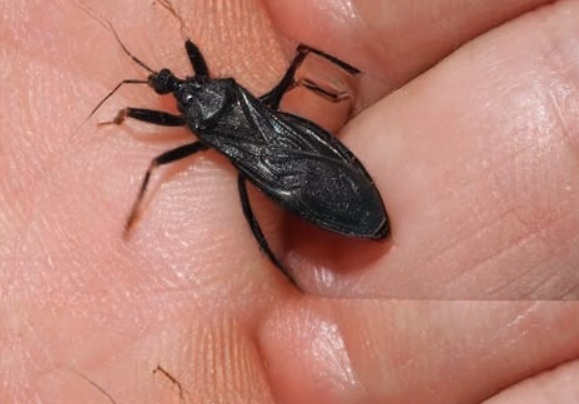
My 7-Year-Old Was Bitten by This Terrifying Backyard Pest — What We Discovered About Earwigs Changed Everything
My 7-Year-Old Was Bitten by This Terrifying Backyard Pest — What We Discovered About Earwigs Changed Everything
Posted onApril 11, 2026 ByadminNo Commentson My 7-Year-Old Was Bitten by This Terrifying Backyard Pest — What We Discovered About Earwigs Changed Everything
A child’s mysterious insect bite leads to the discovery of an earwig infestation shared by neighbors. Learn what earwigs are, whether they are dangerous, how they get inside homes, and safe, natural ways to remove them without chemicals.
Introduction: A Backyard Discovery That Quickly Turned Into Concern
When a 7-year-old child is bitten by an unknown insect, the situation immediately becomes alarming for any parent. What initially appears to be a small outdoor incident can quickly escalate into anxiety once the insect responsible is identified—or worse, remains unidentified.
In this case, a simple backyard moment turned into a much larger concern after a disturbing-looking insect was discovered nearby. The situation intensified when similar reports came from a nearby relative who had seen the same creatures inside her home. This raised an important question: was this an isolated event, or part of a larger infestation spreading through residential areas?
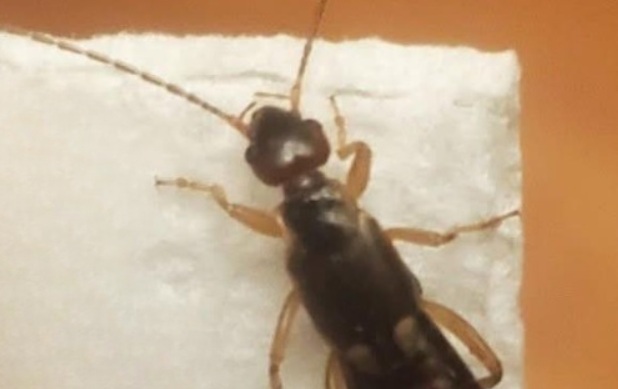
The insect involved was later identified as an earwig, a common but widely misunderstood household pest.
What Are Earwigs? Understanding the Insect Behind the Fear
Earwigs are elongated insects belonging to the order Dermaptera. They are easily recognized by the pair of pincer-like appendages located on their abdomen, known as cerci. These pincers often create fear and confusion, especially when encountered indoors.
Despite their intimidating appearance, earwigs are generally not dangerous to humans. They do not spread disease, and most species are not capable of causing significant harm. However, their presence inside homes and occasional pinching behavior can create discomfort, especially for children.
Common Misconceptions About Earwigs
There are several myths surrounding earwigs, including:
They crawl into human ears while people sleep (this is extremely rare and largely unfounded)
They are highly venomous (they are not venomous)
They cause serious medical harm (they do not)
The fear surrounding earwigs is mostly psychological, driven by their unusual appearance and sudden movements rather than actual danger.
Can Earwigs Bite Humans? What Parents Should Know
Earwigs do not bite in the traditional sense. Instead, they may use their pincers when they feel threatened. These pincers can pinch the skin, sometimes causing mild discomfort or minor irritation.
For children, especially those with sensitive skin, even a small pinch can feel painful or frightening. However, earwig pinches are not medically dangerous and rarely require treatment beyond basic cleaning and observation.
Symptoms of an Earwig Pinch
Mild redness
Slight swelling
Temporary discomfort
No long-term injury in most cases
If symptoms worsen or signs of infection appear, medical attention should be sought, but this is uncommon.
Why Earwigs Enter Homes in the First Place
Understanding why earwigs appear indoors is key to preventing infestations. These insects are naturally drawn to moisture and darkness.
Common Reasons Earwigs Invade Homes
Excess moisture in basements or bathrooms
Damp outdoor soil near foundations
Mulch or leaf buildup near walls
Cracks or gaps in doors and windows
Seasonal weather changes, especially heavy rain or drought
When outdoor conditions become unfavorable, earwigs migrate indoors in search of shelter.
Are Earwig Infestations Dangerous? The Real Risk Explained
While earwigs are not medically dangerous, infestations can still create serious concerns for homeowners.
Primary Concerns Include:
Psychological distress due to frequent sightings
Contamination of stored food in rare cases
Damage to plants and gardens
Unpleasant indoor encounters
Anxiety in children and pets
The emotional response is often stronger than the physical threat. Many families report feeling uncomfortable or unsafe once they begin seeing earwigs regularly inside their homes.