Modern or Ancient? The Fascinating Story Behind a Vintage Tool That Never Went Out of Style
How one tiny metal tool survived generations through smart design, reliability, and timeless usefulnessConstruction & Power Tools
At first glance, it may not seem impressive.
It is small, simple, foldable, and easy to overlook when placed beside modern gadgets or multi-purpose tools. Yet this tiny object has a history that spans decades and continues to earn respect even today.
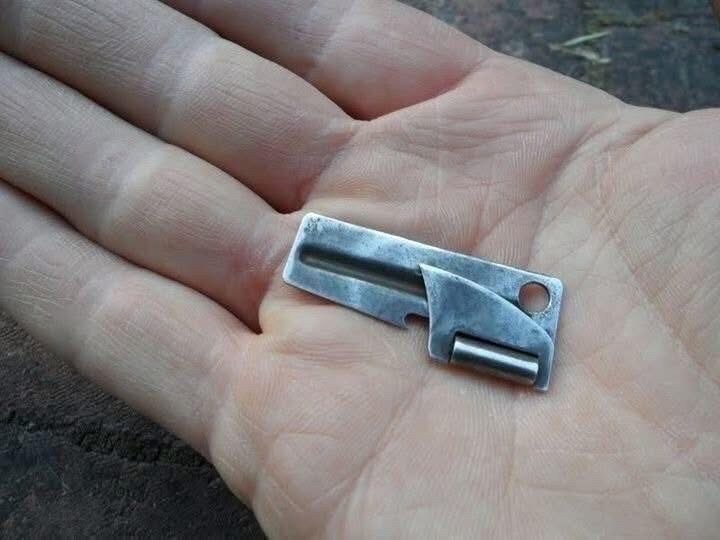
The item is the P-38 can opener, a compact tool that has remained popular long after many other products from its era disappeared.
Its lasting presence raises an interesting question:
Is it an outdated object from the past, or is it a design so effective that it never needed replacing?
The answer lies in its remarkable story of necessity, engineering, and practical brilliance.
A Tool Created During a Time of Urgency
The history of the P-38 can opener begins during World War II, one of the most challenging periods of the twentieth century.Small Kitchen Appliances
Military personnel in the field depended heavily on canned rations for meals. These food supplies were durable, transportable, and practical for large numbers of troops. But there was one obvious problem:
How do soldiers quickly open cans in difficult conditions?
Large kitchen tools were not realistic in combat zones.
Electric appliances were impossible.
Heavy gear was already a burden.
What was needed was something compact, strong, lightweight, and dependable.
That need led to the creation of the P-38 can opener—a tiny folding tool capable of opening ration cans almost anywhere.
Why the P-38 Became So Famous
What made the P-38 special was not flashy technology or appearance. It was the opposite.
Its success came from extreme simplicity.
The opener was made from a single stamped piece of metal with a small hinged cutting blade. No motors. No electronics. No unnecessary extras.
This kind of simplicity made it ideal for harsh environments where more complicated tools might fail.
The result was something many people admired:
Easy to carry
Hard to break
Lightweight
Reliable
Effective
Even decades later, those same qualities still matter.