How to Tell If an Egg Has Gone Bad: A Complete, Practical Guide to Egg Freshness and Food Safety
Eggs are one of those kitchen staples that almost everyone keeps on hand. They sit quietly in the refrigerator, ready to become scrambled eggs for breakfast, a quick omelet for dinner, fluffy pancakes on a weekend morning, or the binding ingredient in countless baked goods. They’re versatile, affordable, and dependable.
But there’s always that moment.
You open the fridge, grab the carton, and pause.
“How long have these been in here?”
“Are they still good?”
Eggs last longer than many people think—but not forever. And while most spoiled eggs make themselves obvious, no one wants to learn that lesson the hard way.
The good news is that determining whether an egg is still safe and fresh is usually simple. You don’t need lab equipment. You don’t need complicated tools. You just need a few easy methods and a little common sense.
How long eggs typically last
The most reliable ways to test freshness
What expiration dates really mean
Visual and texture clues
Proper storage techniques
Common myths about egg safety
When to discard eggs without hesitation
By the end, you’ll feel confident checking your eggs before using them—no guesswork, no unnecessary waste, and no unpleasant surprises.
How Long Do Eggs Actually Last?
Before we get into testing methods, let’s address shelf life.
In the United States and many other countries where eggs are refrigerated, fresh eggs can typically last:
3 to 5 weeks from the purchase date
Sometimes longer if stored properly
The key word here is properly.
Eggs stored consistently at 40°F (4°C) or lower tend to maintain quality for several weeks. Even if the “sell-by” date has passed, they may still be safe to use.
However, freshness affects texture and performance in cooking, so older eggs may behave differently in recipes even if they are still safe.
Understanding Carton Dates
Egg cartons often include:
Sell-by date
Use-by date
Pack date
It’s important to understand that these dates are guidelines for quality, not automatic expiration deadlines.
A “sell-by” date tells stores how long to display the eggs.
A “use-by” date suggests peak freshness.
Neither necessarily means the eggs spoil immediately after that day.
That’s why practical testing methods matter.
The Float Test: Simple and Surprisingly Reliable
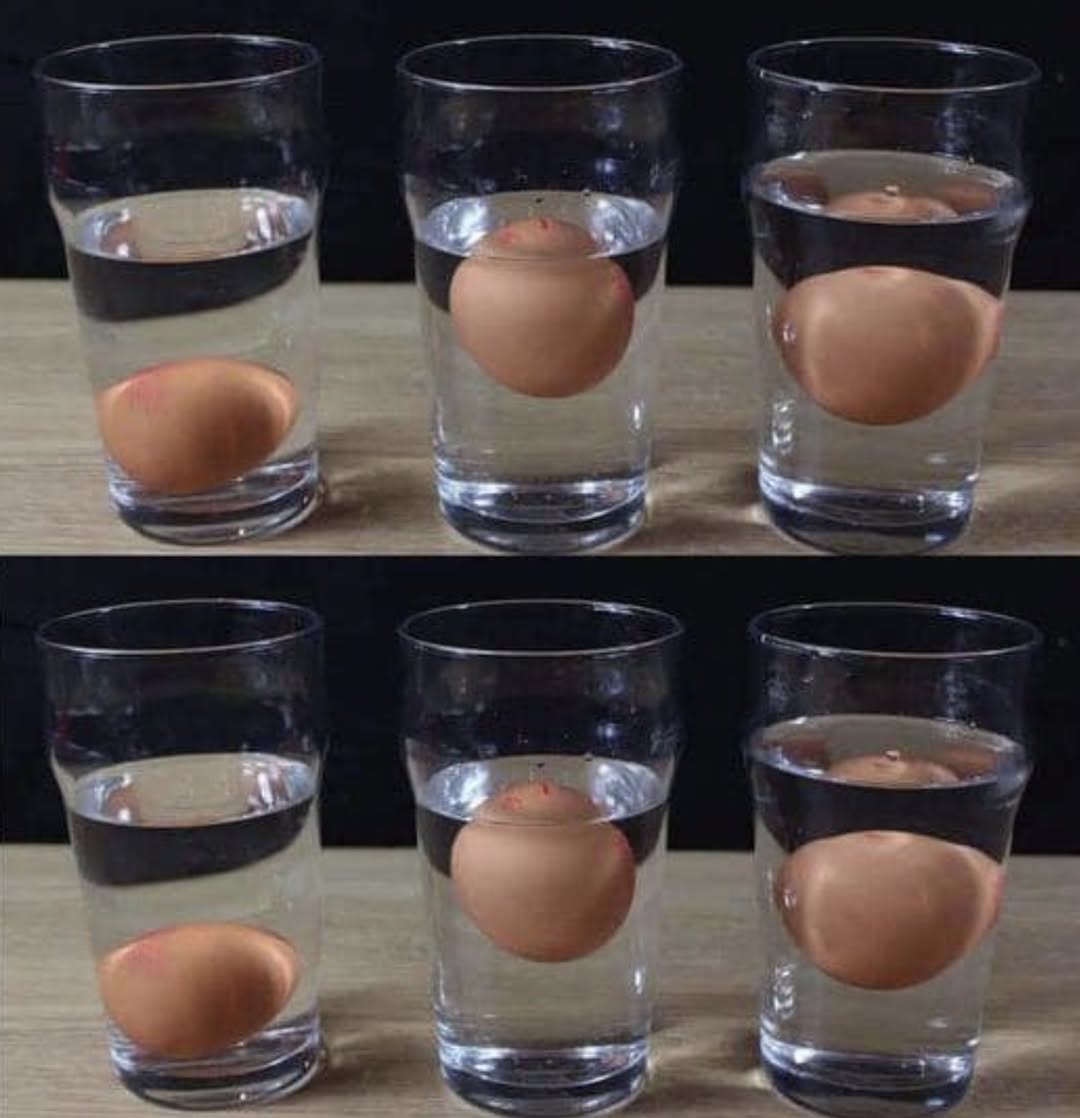
One of the most well-known egg tests is the float test. It’s quick, easy, and requires nothing more than a bowl of water.
How to Perform the Float Test
Fill a bowl or glass with cold water.
Gently place the egg inside.
Observe what happens.
What the Results Mean
Egg sinks and lies flat on the bottom
→ Very fresh.
Egg sinks but stands upright on the bottom
→ Still safe, but older. Best used soon.
Egg floats to the top
→ Discard it.
Why It Works
As eggs age, moisture and carbon dioxide escape through tiny pores in the shell. Air replaces what’s lost, enlarging the internal air pocket.
The larger the air pocket, the more buoyant the egg becomes.
Floating doesn’t automatically mean it’s rotten—but it strongly suggests it’s past its prime and should not be used.
When in doubt, throw it out.
The Smell Test: The Most Definitive Method
If there’s one test that rarely fails, it’s the smell test.
A spoiled egg has a very strong, unmistakable odor. There’s no subtlety about it.
How to Do It Safely
Crack the egg into a separate bowl—not directly into your recipe.
Smell it immediately.
What to Expect
Fresh egg → Very mild or almost no smell.
Spoiled egg → Strong sulfur odor. Unpleasant and obvious.
If it smells bad, discard it immediately.
Never try to “cook away” an off smell. Heat does not fix spoilage.
The Shake Test: A Secondary Indicator
This method isn’t as reliable as the float or smell test, but it can give you additional clues.
How to Perform It
Hold the egg close to your ear.
Gently shake it.
What You Might Notice
Fresh egg → Little to no sound.
Older egg → Slight sloshing sound.
As eggs age, the white becomes thinner and more liquid. This can create noticeable movement inside the shell.
However, always confirm with the float or smell test before making a decision.
The Visual Inspection: Shell Clues Matter
Before cracking an egg, examine the shell carefully.
Signs to Watch For
Cracks
Slimy residue
Powdery coating
Unusual discoloration
Cracked eggs are especially risky because bacteria can enter through the damaged shell.
If the shell looks compromised, it’s safer to discard it.
What a Fresh Egg Looks Like Inside
After cracking the egg into a bowl, take a moment to observe it.
Fresh Egg Characteristics
Yolk stands tall and rounded
Yolk color ranges from yellow to deep orange
Egg white stays close to the yolk
Thick, gel-like consistency
Older Egg Characteristics
Yolk appears flatter
White spreads widely
Texture becomes watery
An older egg can still be safe to eat if it smells fine, but it may not perform well in recipes requiring structure, like poached eggs or soufflés.
Texture and Cooking Performance
Egg freshness affects cooking results.
Fresh Eggs Are Best For:
Poaching
Frying
Sunny-side up
Soft-boiled eggs
Slightly Older Eggs Are Better For:
Hard-boiled eggs (they peel more easily)
Baking
Scrambled eggs
Understanding this can help reduce waste while still maintaining quality in your cooking.
Proper Egg Storage: Non-Negotiable Rules
Storage plays a major role in egg longevity.
Always Store Eggs In:
The refrigerator
Original carton
Main shelf (not the door)
The refrigerator door experiences temperature fluctuations. The main shelf maintains a steadier cold temperature.
Why the Carton Matters
Egg cartons:
Protect from absorbing strong odors
Prevent moisture loss
Shield from breakage
Eggshells are porous and can absorb nearby smells from foods like onions or garlic.
Keeping them in their original carton helps maintain quality.
What About Room Temperature Storage?
In some countries, eggs are sold unrefrigerated. This is due to differences in washing and processing methods.
However, in the United States and other regions where eggs are washed before sale, refrigeration is essential.
Once refrigerated, eggs should remain refrigerated.
Avoid leaving them out on the counter for extended periods.
Common Myths About Egg Safety
Let’s clear up a few misconceptions.
Myth 1: Brown Eggs Are Healthier
Shell color depends on the breed of hen. Nutritional value is similar regardless of color.
Myth 2: Expired Date Means Immediate Spoilage
Not necessarily. Dates reflect peak quality, not automatic danger.
Myth 3: You Can’t Eat Eggs After 2 Weeks
Many eggs remain safe beyond two weeks when properly refrigerated.
Myth 4: You’ll Always See Mold Inside
Spoilage often reveals itself through smell rather than visible mold.
When to Discard Eggs Immediately
Certain situations call for zero hesitation:
Strong odor after cracking
Visible mold inside
Cracked shells stored for days
Eggs left unrefrigerated for extended time
Slime on the shell
Food safety always comes first.
How to Reduce Egg Waste
To avoid throwing eggs away unnecessarily:
Write purchase date on carton
Store properly
Use older eggs in baking
Perform freshness tests before discarding
With proper care, most households waste fewer eggs than they expect.
Can You Freeze Eggs?
Yes—but not in the shell.
To freeze:
Crack eggs into a bowl.
Lightly whisk.
Store in airtight container.
Frozen eggs are best used in baking or cooking, not frying whole.
Signs of Foodborne Illness
Although rare with properly handled eggs, always seek medical advice if symptoms occur after consuming questionable food.
Food safety awareness is important, but panic is unnecessary when following proper storage and testing steps.
Final Thoughts: Trust Your Senses
Egg freshness doesn’t have to be complicated.
Remember these simple tools:
Float test
Smell test
Visual inspection
Proper storage
Eggs are resilient. They don’t spoil overnight. Most remain usable for weeks when kept cold.
If something smells off, looks strange, or makes you uncomfortable, don’t take chances.
Your senses are powerful safety tools.
With a little awareness and these easy methods, you’ll never have to second-guess your eggs again—and you can cook confidently knowing exactly what’s safe to use.