From Rural Ireland to Rock Legend: The Life of a Generation-Defining Voice
From Rural Ireland to Rock Legend: The Life of a Generation-Defining Voice
Posted onMarch 7, 2026 ByadminNo Commentson From Rural Ireland to Rock Legend: The Life of a Generation-Defining Voice
Some voices do more than entertain. They capture emotion so honestly that they become tied to entire chapters of people’s lives. A certain melody plays, and suddenly memories return—school days, first loves, long drives, and quiet late-night reflections.
For millions of listeners around the world, one voice carried that power.
It was haunting yet delicate, powerful yet deeply emotional. It could move from whisper-soft vulnerability to fierce intensity within seconds. When it soared through a song, it felt both ancient and modern, echoing the musical traditions of Ireland while speaking to the struggles of a modern generation.
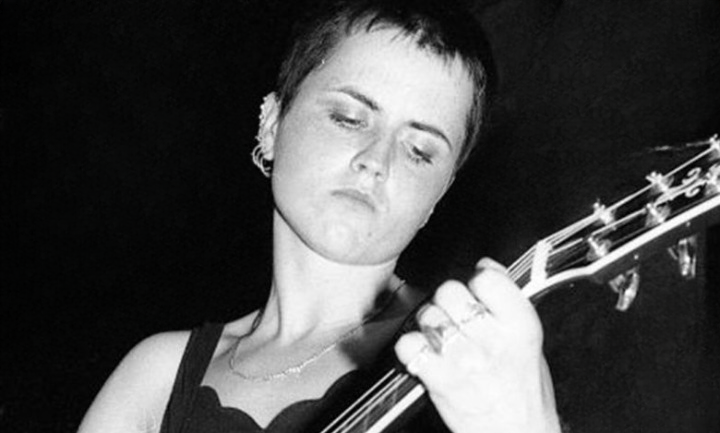
The woman behind that voice was Dolores O’Riordan, the unmistakable frontwoman of The Cranberries.
Her story is one of extraordinary talent, resilience, personal pain, and artistic courage. She rose from a quiet rural upbringing in Ireland to become one of the most recognizable voices in rock music. Yet behind the fame and success was a life marked by emotional battles, personal loss, and the weight of global stardom.
Her music continues to resonate decades later, but the story of how she reached that stage—and the challenges she faced along the way—is just as compelling as the songs themselves.
A Childhood in Rural Ireland
Dolores Mary Eileen O’Riordan was born on September 6, 1971, in the village of Ballybricken in County Limerick, Ireland. It was a quiet, rural area surrounded by green farmland, winding country roads, and landscapes steeped in folklore.
Ireland’s countryside has long been known for its deep cultural traditions—stories of ancient myths, Celtic heritage, and music passed down through generations. In places like Ballybricken, the sense of community was strong, and life moved at a slower pace than in cities.
Dolores was the youngest of nine children in a devout Roman Catholic family. Her parents, Terence and Eileen O’Riordan, raised their children with strong values rooted in faith and family life.
Her father had once worked as a farm laborer but suffered brain damage in a motorbike accident in 1968, leaving him unable to work. Her mother supported the family by working as a school caterer.
Despite financial struggles, the household was filled with love and closeness. Like many large families in rural Ireland, the O’Riordans relied on each other for support, laughter, and companionship.
Dolores later described her childhood as both simple and imaginative.
She spent much of her time outdoors, surrounded by animals and nature. In interviews, she often spoke about talking to birds and cows as if they were companions.
“I talked to birds and cows a lot,” she once recalled. “I also confided in my dog. He was like my shrink—he never objected or looked disapprovingly at anything I did.”
That imaginative spirit would later shape the emotional honesty that defined her songwriting.
Discovering Music at a Young Age
Dolores’ musical ability appeared very early in her life.
According to family members, she began singing almost before she could speak clearly. Music became a natural form of expression for her, and it quickly became obvious to those around her that her voice was something special.
When she was just five years old, her school principal recognized her unusual vocal talent. In a moment that later became part of her origin story, the principal placed the young girl on a teacher’s desk and asked her to sing for a classroom of older students.
Despite the intimidating audience, Dolores sang confidently.
Her early musical education began with traditional Irish songs—melodies rooted in centuries-old folk traditions that often carried themes of loss, love, and national identity.
At school she learned to play the tin whistle, a traditional Irish instrument that is commonly used in folk music. These early musical experiences would later influence the unique tonal quality of her singing style.
Irish vocal traditions often feature emotional phrasing and distinctive melodic patterns. Even as she transitioned into rock music, those cultural influences remained present in her voice.
A Childhood Marked by Challenges
Although her early years contained moments of joy and creativity, Dolores’ childhood was not without hardship.
When she was seven years old, the family home was destroyed in a fire. For a rural family already facing financial difficulties, the loss could have been devastating.
However, the close-knit community rallied around them. Neighbors and local residents came together to raise money and help rebuild the house.
This experience left a lasting impression on Dolores, reinforcing her belief in the strength of community and compassion.
Yet life also demanded maturity from her at an early age.
In interviews, she described growing up in a structured and disciplined household. Her teenage years revolved around strict routines that included church attendance, schoolwork, and piano lessons.
She once said she was “anti anything that was girlie” until she was around 17, preferring independence over traditional expectations.
At the same time, her personality contained a rebellious spark.
Friends described her as energetic, mischievous, and full of life. One childhood friend later recalled that Dolores was “boisterous, wild, but lovely.”
This combination of discipline and rebellious energy would later shape her stage presence.