Does Rice Help Whiten Teeth? A Closer Look at a Popular DIY Trend
In the age of social media, new beauty and health trends seem to appear almost daily. Some promise quick fixes, others claim dramatic transformations, and many rely on simple household ingredients. One recent trend that has caught attention involves using rice flour, lemon juice, olive oil, and toothpaste to create a homemade mixture that supposedly whitens teeth in just one minute.
At first glance, the idea is appealing. The ingredients are easy to find, inexpensive, and already present in most kitchens. The method itself is simple: mix the ingredients, brush briefly, and rinse. According to viral posts, the result is an instantly brighter smile.
But how accurate are these claims? And more importantly, is this approach safe for long-term dental health? To understand the truth behind this trend, it’s important to look at how each ingredient works and what effect it may have on your teeth.
Why DIY Teeth Whitening Is So Popular
Before diving into the method itself, it helps to understand why trends like this gain traction so quickly. Many people are looking for affordable and convenient ways to improve their appearance without relying on professional treatments.
Teeth whitening, in particular, is a common goal. A bright smile is often associated with confidence, cleanliness, and overall health. However, professional whitening treatments can be expensive, and over-the-counter products may not always deliver immediate results.
This creates the perfect environment for DIY solutions to thrive. When a method promises visible results in a short amount of time using everyday ingredients, it naturally captures attention.
Breaking Down the Ingredients
The viral mixture typically includes four main components: rice flour, lemon juice, olive oil, and toothpaste. Each ingredient plays a specific role, but their combined effects are not as straightforward as they might seem.
Rice Flour: A Mild Abrasive
Rice flour is often highlighted as the key ingredient in this method. Its texture makes it a gentle abrasive, meaning it can help scrub away surface stains on teeth.
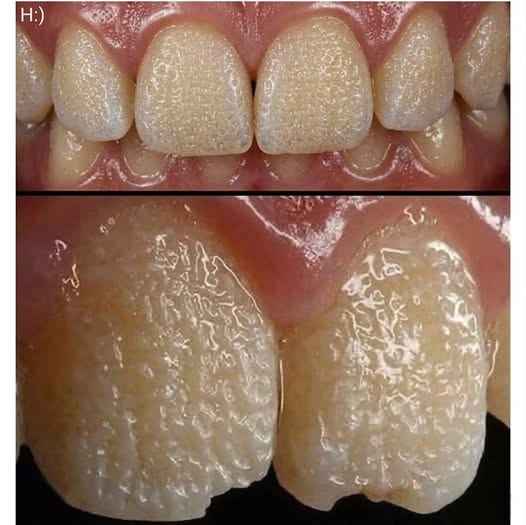
Surface stains are usually caused by everyday habits such as drinking coffee, tea, or red wine, as well as smoking. These stains sit on the outer layer of the teeth, known as enamel.
When used carefully, mild abrasives can help remove some of these stains, leading to a slightly brighter appearance. However, it’s important to note that this effect is limited to the surface. Rice flour does not change the natural color of your teeth or provide deep whitening.
Lemon Juice: Natural Acidity
Lemon juice is often included because of its acidic properties. The acid can help break down certain types of stains, making them easier to remove.
While this may sound beneficial, there is a downside. The same acidity that helps loosen stains can also affect tooth enamel. Enamel is the protective outer layer of the teeth, and once it is weakened or worn down, it cannot regenerate.
Frequent exposure to acidic substances can increase tooth sensitivity and make teeth more vulnerable to discoloration over time. This means that while lemon juice might contribute to a temporary brightening effect, repeated use could lead to long-term issues.
Olive Oil: A Traditional Element
Olive oil is sometimes associated with oral care practices, such as oil pulling. In these traditions, oil is used to help clean the mouth and support overall oral hygiene.
In the context of this DIY mixture, olive oil may help create a smoother consistency and assist with distributing the other ingredients evenly. However, its direct impact on whitening is minimal.
While it may contribute to a cleaner feeling in the mouth, it should not be relied upon as a primary whitening agent.
Toothpaste: The Familiar Base
Toothpaste is the most familiar component of the mixture and plays an important role in daily oral care. Most toothpastes contain mild abrasives, fluoride, and cleaning agents designed to remove plaque and protect enamel.
Including toothpaste in the mixture helps maintain a sense of normalcy in the routine. It also ensures that some level of standard cleaning is taking place.
However, combining toothpaste with additional abrasives and acids may increase the overall intensity of the mixture, which is something to consider when evaluating its safety.