Doctors Explain What Happens When You Eat Chayote With Lemon: A Nutritional Breakdown of a Trending Natural Remedy
Doctors Explain What Happens When You Eat Chayote With Lemon: A Nutritional Breakdown of a Trending Natural Remedy
Posted onApril 22, 2026 ByadminNo Commentson Doctors Explain What Happens When You Eat Chayote With Lemon: A Nutritional Breakdown of a Trending Natural Remedy
In recent years, simple food combinations promoted for everyday wellness have gained significant attention, particularly those involving whole, minimally processed ingredients. One such pairing that has quietly circulated across health blogs and wellness communities is chayote combined with lemon. While often presented in social media posts as a “natural remedy,” medical professionals generally frame it more cautiously—as a nutrient-rich dietary habit rather than a treatment for specific conditions.
Understanding what this combination actually does requires separating nutritional fact from exaggerated claims and looking closely at how each ingredient functions in the body.
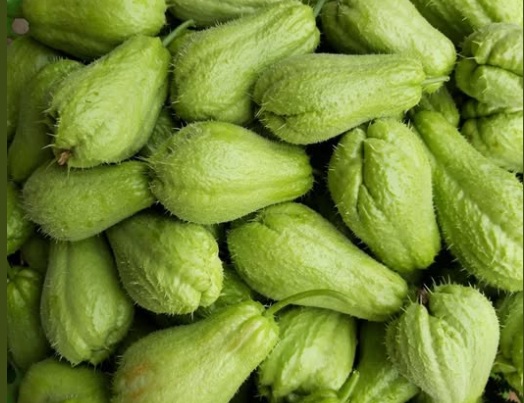
Chayote is a light green, pear-shaped vegetable belonging to the gourd family. Known scientifically as Sechium edule, it is widely consumed in Latin America, Southeast Asia, and parts of the Caribbean. Its flavor is mild and slightly crisp, making it versatile in both cooked dishes and raw preparations.
From a nutritional standpoint, chayote is valued for being:
Low in calories
High in water content
A source of dietary fiber
Containing potassium, folate, and vitamin C
Rich in plant antioxidants such as flavonoids
Because of its composition, chayote is often included in diets aimed at general metabolic balance rather than targeted medical treatment.
The Role of Lemon in the Combination
Lemon (Citrus limon) is widely recognized for its high vitamin C content and acidic profile. Nutritionally, lemon contributes:
Vitamin C (ascorbic acid)
Citric acid
Small amounts of potassium and flavonoids
Natural compounds that may support iron absorption
Its main dietary role is not therapeutic but supportive, particularly in enhancing flavor, hydration, and nutrient absorption when paired with plant-based foods.
Why People Combine Chayote and Lemon
The pairing became popular largely through wellness trends rather than clinical medicine. The idea is based on complementary nutrition:
Chayote provides hydration, fiber, and minerals
Lemon provides acidity, vitamin C, and antioxidant support
However, it is important to clarify: there is no scientific evidence that this mixture “treats” diseases or replaces medical care.
What Doctors Actually Say About the Claimed Benefits
Medical professionals generally interpret the benefits of chayote and lemon through established nutritional science rather than detox or healing claims.
1. Hydration and Digestive Support
Chayote’s high water and fiber content can support digestion and bowel regularity. Fiber helps maintain intestinal movement, while hydration contributes to overall gastrointestinal comfort.
Lemon water may also encourage fluid intake, which indirectly supports digestion.
However, this effect is supportive, not corrective—it does not treat digestive disorders.
2. Blood Pressure and Circulation
Chayote contains potassium, a mineral known to help regulate fluid balance and support normal blood pressure levels.
From a clinical perspective:
Adequate potassium intake is associated with cardiovascular health
Diets rich in fruits and vegetables are linked to better heart function
But doctors emphasize that no single food combination can regulate blood pressure on its own. It must be part of a broader dietary pattern.
3. Iron Absorption Support
One accurate nutritional interaction is the role of vitamin C in improving iron absorption from plant foods.
Chayote contains small amounts of plant-based iron and folate
Lemon provides vitamin C, which enhances non-heme iron absorption
This means the combination may be mildly supportive for individuals with borderline iron intake, but it is not a treatment for anemia.
4. Antioxidant Intake
Both chayote and lemon contain antioxidants that help reduce oxidative stress in the body.
From a medical standpoint:
Antioxidants support cellular health
They are associated with long-term wellness when consumed as part of a varied diet
They do not provide immediate or targeted disease reversal
5. Mild Diuretic Effect
Chayote has a mild diuretic property due to its water and potassium content. This may lead to increased urination in some individuals.
It is important to correct common misconceptions circulating online.
Medical experts consistently confirm that chayote and lemon:
Do not detoxify organs
Do not “cleanse toxins” from the body (the liver and kidneys already perform this function)
Do not cure chronic diseases such as diabetes, hypertension, or arthritis
Do not replace medications or prescribed treatments
Claims suggesting otherwise fall outside evidence-based medicine.
Possible Side Effects and Precautions
While generally safe for most people when consumed as food, there are a few considerations:
1. Digestive sensitivity
High fiber intake may cause:
Bloating
Gas
Mild stomach discomfort in some individuals
2. Acid sensitivity
Lemon juice may aggravate:
Acid reflux
Gastritis
Tooth enamel erosion if consumed excessively
3. Kidney-related concerns
Because chayote contains potassium:
Individuals with kidney disease should monitor intake carefully
Excess potassium can be problematic in certain medical conditions