From Los Angeles Roots to Global Recognition: The Life Journey of Meghan Markle
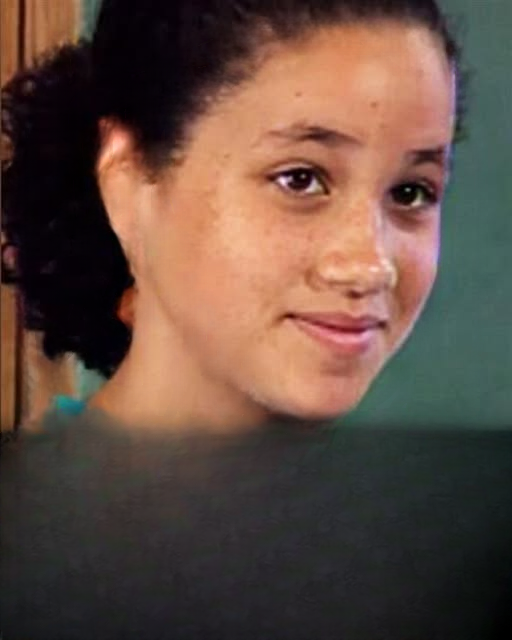
Before international headlines, royal titles, and worldwide recognition, Meghan Markle’s story began in a very different setting. Long before she became known to millions around the world, she was simply a young girl growing up in Los Angeles, trying to understand who she was and where she belonged.
Her life story reflects a blend of cultures, experiences, and personal challenges that shaped her perspective on identity, opportunity, and resilience. Over time, those early experiences helped guide her path into acting, philanthropy, and eventually global public life.
Today, many people know Meghan Markle as a public figure connected to the British royal family, but her personal journey began decades earlier in Southern California, where she navigated childhood, school, and early career ambitions long before stepping onto the international stage.
Early Life in Los Angeles
Meghan Markle was born on August 4, 1981, in Los Angeles, California. Her parents, Doria Ragland and Thomas Markle Sr., came from different cultural backgrounds. Doria is an African American woman who worked in several professions during her life, while Thomas is a white man who spent much of his career working in the television industry.
Growing up in a multicultural household influenced Meghan’s understanding of identity from an early age. Los Angeles is known for its cultural diversity, yet discussions about race and identity were still evolving during the 1980s and 1990s. As a result, Meghan occasionally found herself navigating situations where people made assumptions about her background.
Her parents separated when she was still young, but both played roles in her upbringing during different stages of her childhood. Although the family structure changed over time, Meghan often spoke about appreciating the effort both parents made to support her development and education.
Like many children raised by working parents, Meghan learned independence early in life.
Growing Up With Working Parents
Both of Meghan’s parents maintained busy careers while she was growing up. Her mother, Doria Ragland, worked in several different roles over the years, including as a makeup artist. Later in life, Doria pursued work as a social worker and yoga instructor, professions focused on helping others and promoting well-being.
Her father, Thomas Markle Sr., spent much of his career working behind the scenes in the entertainment industry. As a lighting director and director of photography, he contributed to the technical production of television shows. One of the projects he worked on was the well-known sitcom Married… with Children, which aired during the late 1980s and 1990s. Childdevelopment
Because both parents worked long hours, Meghan sometimes returned home from school to an empty house. In interviews later in life, she described herself as a “latchkey kid,” a term used to describe children who spend time at home alone after school while their parents are at work.
For Meghan, those afternoons often involved simple routines—doing homework at the kitchen table, heating quick meals in the microwave, and watching television programs while waiting for a parent to come home.
Although the routine was modest, it also helped her develop self-reliance and time-management skills at an early age.
Childhood Experiences and Identity
Growing up in a biracial family sometimes meant navigating moments that made Meghan more aware of how people perceived identity. In public settings, strangers occasionally assumed that her mother might be a nanny or caregiver rather than her parent.
These situations were confusing for a young child who simply saw her mother as her mother.
While these moments were not constant, they left lasting impressions. They helped Meghan become more aware of how social perceptions can influence everyday interactions.
At home, however, she often describes her mother as a calming and supportive presence. Doria encouraged curiosity, kindness, and emotional awareness. Those qualities later became central themes in Meghan’s public advocacy and personal philosophy.
Her upbringing also involved spending time with her father, particularly during her teenage years. After her parents’ separation, Meghan lived primarily with him for much of her adolescence while maintaining a close relationship with her mother.
This arrangement meant that both parents continued to influence her development in different ways.
Education and Early Interests
Education played an important role in Meghan’s life from a young age. Her father supported her academic opportunities and helped ensure she attended schools that emphasized strong academic programs.
As a student, Meghan developed a reputation for being focused and curious. She enjoyed reading and writing and often described herself as someone who liked learning about the world around her.
Rather than focusing on popularity during her teenage years, she often concentrated on schoolwork and extracurricular activities that encouraged personal development.
Looking back, Meghan has said that she often saw herself as “the smart one” in her peer group—someone who valued ideas and intellectual curiosity.
Her early interests extended beyond academics. She also began exploring activities related to communication, public speaking, and performance.
Finding Her Voice at a Young Age
One story from Meghan’s childhood is frequently mentioned as an early example of her willingness to speak up about issues she cared about.
When she was around eleven years old, she noticed a television advertisement that she believed promoted an unfair stereotype about women’s roles in the home. The commercial suggested that cleaning products were primarily a woman’s responsibility.
Instead of ignoring the advertisement, Meghan decided to take action.
She wrote letters to several public figures and companies expressing her concern about the message the advertisement was sending. Her efforts eventually received attention, and the advertisement was reportedly modified.
Although she was still very young, the experience showed her that speaking up—even as a child—could influence change.
The moment became an early lesson about advocacy and the impact of thoughtful communication.