If You Spot a Painted Purple Fence in Rural Areas or Trails, Here’s What It Means and Why It’s More Than Just an Odd Color Choice
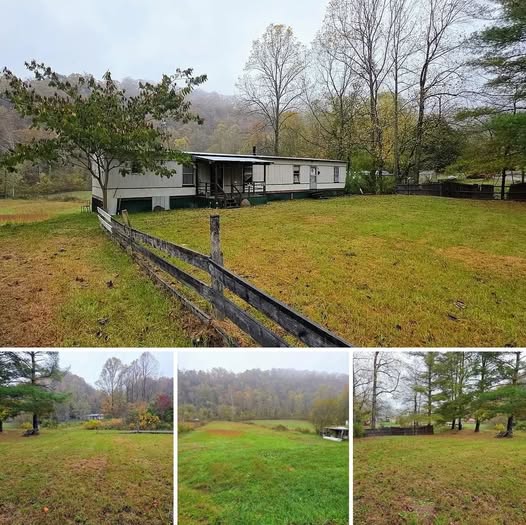
Imagine you’re out on a peaceful walk in a rural area, perhaps on a hiking trail or through a quiet neighborhood. As you stroll past fences and houses, you notice something unexpected—there’s a fence painted purple. Not the usual white, brown, or grey that you’re used to seeing, but a deep shade of purple, almost as if someone splashed a bit of grape Kool-Aid on it. At first, you might think it’s just an unusual choice of paint color, or maybe even a quirky decoration. However, there’s more to that purple paint than you might think. In many parts of the country, purple fences are a signal—an unmistakable sign that means one thing: no trespassing.
While this may sound odd, the use of purple paint on fences is not just an eccentric trend. In fact, it’s a clever, practical, and legal way for property owners to communicate to others that their land is private. But why purple? Why not a more conventional “keep out” sign or something more noticeable like neon colors? The answer lies in history, convenience, and a system that’s been gradually adopted across various states. Here’s everything you need to know about the significance of purple-painted fences, how they work, and why this unconventional method is gaining popularity.
A Practical Solution to a Common Problem
The origins of the purple-painted fence system are rooted in practicality. For years, property owners in rural or isolated areas were faced with the challenge of deterring trespassers without having to put up multiple “No Trespassing” signs. Traditional signs can get damaged by weather, fade over time, or even blow away, leaving the property vulnerable to unwanted visitors. What if there was a way to create a permanent, eye-catching signal that didn’t require constant maintenance?
Enter the purple fence: a simple, durable, and effective solution. The choice of purple as the color was intentional. Not only does it stand out against the usual natural colors of a landscape, but it’s also uncommon, making it easy to spot. More importantly, it carries a distinct meaning, one that’s been recognized in certain regions and legally adopted in various states. Purple has become the universal color that signals “keep out” without any ambiguity, replacing a string of signs with a single, visually striking mark.
In some areas, it’s a law that landowners can legally mark their property with purple paint, and this has been codified into state law. This system works similarly to physical signs but is easier to implement and maintain. It’s an innovative solution that doesn’t just rely on legal jargon or constant monitoring—it’s visually direct and universally understandable.
How It Became a Legal Code
Over time, the purple fence system caught on in rural areas, particularly in the southeastern United States. The idea gained momentum, with property owners painting their fences purple to signal no trespassing without needing to put up multiple signs. In 1997, the state of Arkansas officially passed the law allowing the use of purple marks on fences and trees to signify “No Trespassing.” Other states quickly followed suit, and today, purple fences and marks are recognized as a legal form of property boundary indication in several parts of the U.S.
What makes this system so effective is its simplicity. Purple paint is unique enough to grab attention but isn’t as invasive or difficult to manage as other methods. No need to worry about signs fading or blowing away in a storm, and no need for constant monitoring of the perimeter of a property.
In certain states, these purple markings are even legally binding, meaning that if a person trespasses on land that’s been clearly marked with a purple stripe, the property owner has the right to call for legal action. The fact that this system has legal weight in some regions makes it even more valuable for landowners looking to protect their private spaces.
The Rules and Guidelines Behind the Purple Paint
Proper Marking Techniques
While the idea of a purple fence might seem straightforward, there are actually some important rules and guidelines that govern its use. It’s not as simple as just slapping purple paint on a fence. If you want to ensure that your property is properly marked, it’s essential to follow these guidelines so that the paint actually serves its intended purpose.