Here’s Exactly What to Do If You Spot a Lone Star Tick — A Calm, Step-by-Step Guide to Removal, Monitoring, and Prevention
There’s a very specific kind of discomfort that comes from feeling something crawl across your skin. It’s subtle at first—almost like a stray hair brushing your ankle or a small itch you can’t quite place. You swat at it casually. You glance down. And then your stomach drops.
That tiny dark speck isn’t lint.
It isn’t dirt.
And it’s definitely not a mosquito.
It’s a tick.
More specifically, it might be a lone star tick—a species that has become increasingly common in many parts of the United States. If you’ve ever spotted one attached to your skin, you know the immediate reaction: panic, disgust, and a sudden urge to scrub your entire existence with soap.
Take a deep breath.
While ticks can carry diseases and should be taken seriously, the situation is manageable if you act promptly and correctly. This guide will walk you through exactly what to do—step by step—if you encounter a lone star tick. We’ll also cover how to identify it, what symptoms to watch for afterward, and how to reduce your risk in the future.
What Is a Lone Star Tick?
The lone star tick, scientifically known as Amblyomma americanum, is a species commonly found in the southeastern and eastern United States. Its range has expanded northward and westward in recent years.
How to Identify It
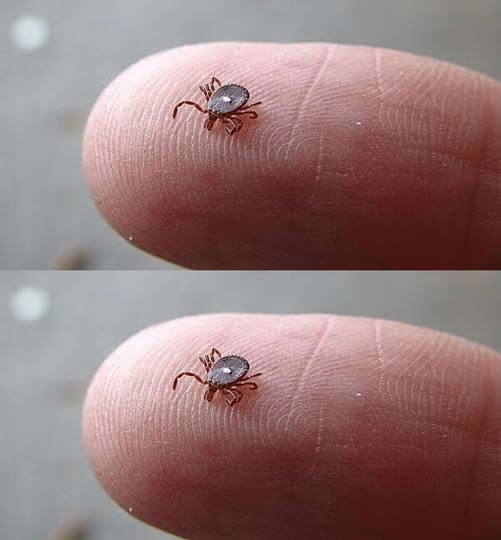
The easiest way to identify an adult female lone star tick is the single white or silvery spot on her back. That “lone star” marking is what gives the species its name.
Key identification features:
Adult females: One distinct white dot in the center of the back.
Adult males: No single dot, but may have white streaks or markings.
Color: Reddish-brown to dark brown.
Size: Small when unfed (about the size of a sesame seed), larger and grayish when engorged.
Unlike some tick species that passively wait on tall grass, lone star ticks are aggressive feeders. They actively seek hosts, sensing body heat and carbon dioxide. That’s part of why encounters feel so alarming—they don’t always just “happen upon” you. They move with purpose.
Ticks in general can transmit diseases, but lone star ticks have gained particular attention because they are associated with several health concerns.
They have been linked to:
Southern tick-associated rash illness (STARI)
Ehrlichiosis
Tularemia
Heartland virus
Bourbon virus
In addition, lone star ticks have been connected to a condition known as alpha-gal syndrome, which can trigger allergic reactions to red meat in some individuals.
First Rule: Stay Calm, But Act Quickly
It’s natural to panic when you see a tick attached to your skin. The instinct is often to:
Flick it off.
Crush it.
Yank it out quickly.
Cover it in oil or soap.
Pause.
How to Properly Remove a Lone Star Tick
What You’ll Need:
Fine-tipped tweezers
Rubbing alcohol or soap and water
A small container or piece of tape
Gloves (optional but recommended)
Step-by-Step Removal Instructions:
Use fine-tipped tweezers.
Grab the tick as close to the skin’s surface as possible.
Pull upward steadily and slowly.
Do not twist, jerk, or squeeze the tick’s body. A steady, even pull is best.
Avoid crushing it.
Crushing can release fluids that may contain pathogens.
After removal, clean the area thoroughly.
Wash the bite area and your hands with soap and water, or use rubbing alcohol.
Dispose of the tick safely.
Do not crush it with bare fingers. Instead:
Place it in alcohol,
Seal it in a container,
Wrap it tightly in tape, or
Flush it down the toilet.