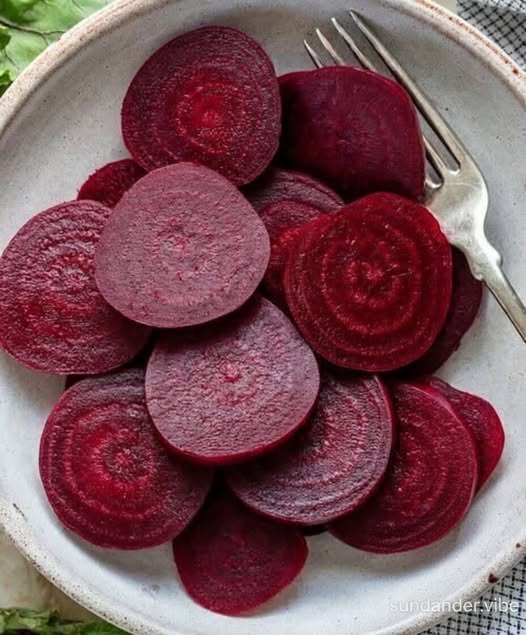
Doctors Reveal What Really Happens To Your Body When You Eat Beets Daily — The Unexpected Health Benefits, Blood Pressure Secrets, and Anti-Inflammatory Effects That Make This Vibrant Root One of Nature’s Most Powerful (And Overlooked) Superfoods
Beets have gone from being an earthy, old-fashioned vegetable that most people avoided at dinner tables to one of the most talked-about “superfoods” in modern nutrition. Doctors and dietitians are now calling them a powerhouse of health, capable of transforming key areas of the body in ways most people never expect. Behind their deep red color lies an astonishing mix of nutrients, antioxidants, and plant compounds that can improve heart health, increase energy, support the liver, and even help protect the brain from aging.
When you eat beets—whether roasted, juiced, pickled, or blended into smoothies—your body begins a series of small but measurable changes. Within hours, nitric oxide levels rise, blood vessels relax, and circulation improves. This is one of the biggest reasons doctors recommend beets for people with high blood pressure. According to cardiologists, the natural nitrates in beets convert into nitric oxide, which helps widen blood vessels and lower pressure inside them. It’s a natural, food-based version of what certain medications do, only without the side effects. Several studies have shown that drinking just one cup of beet juice a day can reduce systolic blood pressure by up to 10 points in some people.
But the benefits go far beyond the heart. Nutritionists say beets are rich in folate, manganese, potassium, and vitamin C—nutrients that support healthy red blood cells, bone strength, and immune function. They also contain betalains, the pigments responsible for the beet’s striking color. Betalains are powerful antioxidants and anti-inflammatories that help neutralize free radicals, reduce oxidative stress, and support the body’s detox systems. Researchers have linked these compounds to improved liver health, reduced inflammation in joints, and protection against certain cancers.
One of the most fascinating things doctors point out is how beets affect endurance and stamina. Athletes have long used beet juice as a natural performance enhancer. When your blood vessels open wider and oxygen circulates more efficiently, your muscles get more of the fuel they need during workouts. Some endurance athletes swear that a glass of beet juice before training helps them run or cycle longer with less fatigue. Clinical studies back this up: those who consume beets regularly can experience as much as a 15% increase in stamina during exercise.
Digestive health is another area where beets quietly shine. Their deep color signals a wealth of fiber—both soluble and insoluble—which supports healthy digestion, regulates bowel movements, and nourishes beneficial gut bacteria. A healthy gut, in turn, influences everything from mood to immunity. Gastroenterologists often recommend fiber-rich vegetables like beets to patients with sluggish digestion or irregularity. And unlike many high-fiber foods, beets are gentle on the stomach when cooked properly.
Then there’s the impact on liver health. The liver is the body’s primary detox organ—it filters toxins, breaks down fats, and helps regulate metabolism. Beets contain compounds such as betaine and pectin that support this process by helping the liver flush out heavy metals and waste more efficiently. Doctors have observed improved liver enzyme levels in patients who add beets or beet juice to their diets regularly. It’s no miracle cure, but it’s a potent assist to one of the hardest-working organs in the human body.