John Foster of American Idol Addresses Speculation About Dwight Yoakam Record Deal as He Reaches the Top 10
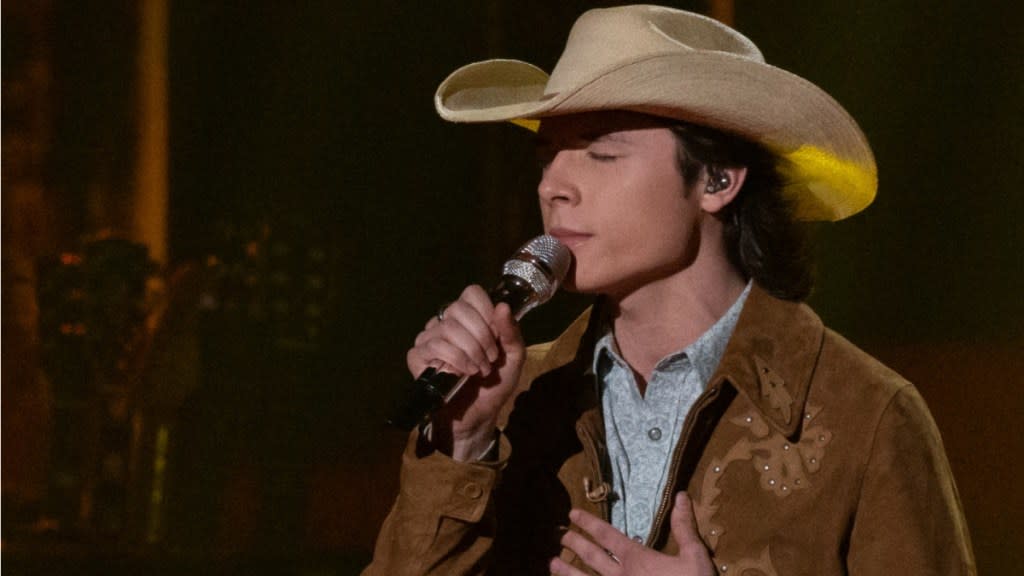
American Idol Season 23 finalist John Foster has quickly become one of the competition’s most talked-about contestants—not only for his rich, authentic country voice but also for the flurry of online rumors about his personal background. In recent days, misleading claims about his age, hometown, and even an alleged record deal with country legend Dwight Yoakam swept through social platforms, prompting the 18-year-old Louisiana native to post a heartfelt clarification on his official Facebook page.
In a message titled “Let Me Set the Record Straight,” Foster addressed each inaccuracy—firmly stating that he is indeed 18 (not 24), hails from Addis, Louisiana (not Benton, Kentucky), and has not signed with Yoakam or Sugar Hill Records. His candid post not only put rumors to rest but also underscored an important lesson for rising artists in the digital age: always rely on verified sources and maintain open communication with your fans.
This in-depth feature offers a professional, comprehensive look at:
The genesis and spread of the misinformation
Foster’s public response and key takeaways
A deeper exploration of Foster’s personal and musical background
His journey on American Idol up to the Top 10
The impact of social-media rumors on fan perception
Best practices for artist-fan engagement in a viral era
What lies ahead for Foster as he heads into “Ladies’ Night” and beyond
1. The Social-Media Misinformation Storm
1.1 Rapid Fire Rumors
Over the past week, disparate facts about John Foster began circulating on Facebook, TikTok, and fan forums. By May 2, multiple posts confidently proclaimed:
Age: that Foster was already 24 years old
Hometown: that he hailed from Benton, Kentucky
Record Deal: that he had been signed by Dwight Yoakam’s imprint, Sugar Hill Records
Though each claim appeared in different corners of the internet, they gained traction thanks to share-forwards, retweets, and sensationalized headlines. Within 48 hours, dozens of memes and videos repeating the same misinformation started cluttering Foster’s official comment threads—and even some country-music news aggregators ran brief “updates” without fact-checking.
1.2 Why Misinformation Spreads
Several factors contribute to the wildfire pace of celebrity rumors:
Confirmation Bias: Fans eager for an uplifting success story seized on the idea that Foster had already inked a prestigious record deal.
Viral Format: Short video clips or single-line text posts are easily consumed and reshared—often without verifying the source.
Media Echo Chambers: Niche fan pages and country-music blogs sometimes lack robust editorial oversight, allowing unverified claims to slip through.
As Foster’s profile rose on Idol, every personal detail became ripe for speculation—and the digital echo chamber magnified each rumor.
2. “Let Me Set the Record Straight” — Foster’s Official Response
2.1 The Facebook Post
On May 3, after careful consideration and numerous messages from genuinely confused followers, Foster took to his verified Facebook page (blue checkmark visible) with a post titled “Let Me Set the Record Straight.” In clear, conversational language, he addressed each rumor directly:
**“Hey everyone—since I keep seeing incorrect info pop up, I want to clear the air:
I’m 18, not 24.
I’m from Addis, Louisiana, not Benton, Kentucky.
I have not signed with Dwight Yoakam or Sugar Hill Records.
I’ve never even been to Kentucky—though it’s on my bucket list! If you have questions, drop them below or message me through this page. Thanks for sticking with me. God bless!”**
Foster closed with gratitude for his fans’ ongoing support and an invitation to engage directly under the post, promising that he or a close friend would reply.
2.2 Immediate Aftermath
The clarification post achieved its intended effect within hours:
Spread of Truth: Screenshots of Foster’s message circulated on Instagram Stories, TikTok duet videos, and X threads, reinforcing the accurate details.
Fan Interaction: Hundreds of comments poured in—fans thanking him for transparency, asking follow-up questions (e.g., “What’s your favorite Louisiana food?”), and offering well-wishes.
Reduced Misinformation: Pages that had shared the unfounded claims either deleted their posts or appended corrections linking to Foster’s statement.
3. The Facts: Age, Hometown, and the Yoakam Deal
3.1 Age: A Fresh Faced 18-Year-Old
John Foster was born on March 12, 2007, making him freshly 18 at the time of this writing. In an industry where singing-competition champions often enter their twenties or beyond, Foster’s youthful age brings a rare sense of emerging talent. His stage presence, honed by local performances in Louisiana, belies his years—yet his fanbase remains protective of his under-age status, eager to see him navigate the spotlight responsibly.
3.2 Hometown: Addis, Louisiana
Foster grew up in Addis, a small town on the west bank of the Mississippi River, just south of Baton Rouge. With a population under 5,000, Addis typifies rural Louisiana life:
Community Roots: Foster’s first public performances were at church gatherings and school talent shows.
Musical Influences: Surrounded by a blend of country, gospel, and zydeco sounds, he cites local radio stations as instrumental in shaping his style.
Family Support: Foster’s parents, both educators, drove him to early-morning band practices and weekend open-mic nights—an upbringing he often credits for his work ethic.
By contrast, Benton, Kentucky is a town in western Kentucky with its own distinct cultural heritage, leading fans to question how the Kentucky rumor originated. Likely a misattribution from a similarly named artist or a past broadcast error, the Kentucky claim had no basis in Foster’s actual biography.
3.3 Dwight Yoakam and Sugar Hill Records: Untangling the Myth
The most persistent piece of misinformation was the assertion that Foster had been signed to Sugar Hill Records—a venerable independent label best known for bluegrass and Americana—under the guidance of the legendary Dwight Yoakam. In reality:
No Contract Exists: Foster has not negotiated, signed, or publicly discussed any label agreement with Yoakam or Sugar Hill.
Respectful Admiration: While Foster has long admired Yoakam’s fusion of honky-tonk and rockabilly, he has never collaborated with him nor met him professionally.
Label Eligibility: Idol finalists often wait until after the season’s conclusion to finalize major-label discussions, and network contracts can impose restrictions on endorsements during the competition.
Foster’s swift denial of the Yoakam deal rumor forestalled potential legal complications, given that unauthorized use of an artist’s name for promotional purposes can constitute trademark infringement or deceptive marketing.
4. Why Verified Sources Matter: Lessons for Rising Artists
4.1 The Perils of Unchecked Virality
John Foster’s experience highlights the hazards that emerging artists face in an era where a single erroneous social-media post can overshadow actual achievements. Viral falsehoods can:
Confuse Fans: Leading to misguided expectations or disillusionment.
Attract Scammers: False claims of record deals can open doors to exploitative agents and fraudulent contracts.
Distract from Artistry: Shifting attention away from the music itself toward offstage drama.
4.2 Building a Trustworthy Online Presence
To guard against future misinformation waves, industry experts recommend:
Maintaining a Verified Channel: Foster’s blue-check Facebook post was essential for restoring accuracy.
Regular Q&A Sessions: Scheduled live streams or “Ask Me Anything” posts provide timely clarifications.
Clear Branding: Consistent profile information—age, hometown, official website links—on all platforms reduces confusion.
By proactively engaging with fans and addressing rumors head-on, artists can preserve credibility and keep the focus where it belongs: on their creative work.
5. From Small-Town Gigs to the American Idol Top 10
5.1 Early Musical Journey
Before Idol, John Foster was a fixture on the Louisiana live-music circuit:
High-School Performances: Lead vocalist for his school’s bluegrass ensemble, he also performed at community fairs.
Local Festivals: He opened for regional country acts at the Baton Rouge Folk Festival and the Lafayette Crawfish Festival.
YouTube Covers: His acoustic renditions of George Strait and Miranda Lambert tracks garnered thousands of views, drawing the attention of local radio DJs.
5.2 Audition Breakthrough
Foster’s audition for Season 23 aired in February 2025. Seated center stage with a single spotlight, he performed his original ballad—“Tell That Angel I Love Her”—written in memory of a close friend. Judges and viewers alike were struck by:
Emotional Honesty: The personal narrative behind the lyrics.
Vocal Maturity: A rich lower register uncommon in an 18-year-old.
Stage Presence: An unassuming charm that conveyed authenticity.
The audition video quickly amassed over 15 million views on the American Idol YouTube channel, cementing Foster as a frontrunner.
5.3 Standout Live Performances
Throughout the competition, Foster has delivered consistently strong performances, including:
“Neon Moon” by Brooks & Dunn
“In Color” by Jamey Johnson
“Callin’ Baton Rouge” by Garth Brooks
His original “Tell That Angel I Love Her”
“I Told You So” (a cappella tribute to Carrie Underwood and Randy Travis)
Each rendition showcased not only vocal prowess but also a deep understanding of country-music storytelling—a factor judges repeatedly praised.
6. The Iconic “I Told You So” A Cappella Moment
6.1 Stepping Out from Behind the Guitar
On the “Iconic Idol Moments” themed episode, Foster made a bold artistic choice: he set aside his guitar entirely and stepped to a standalone microphone to sing “I Told You So,” a duet famously performed on Idol by Carrie Underwood and Randy Travis in 2009.
6.2 Judge Reactions
The decision to sing unaccompanied paid off:
Luke Bryan: “You continue to grow with every performance.”
Carrie Underwood: (visibly moved) “That was a highlight of the season.”
Lionel Richie: “You own that stage.”
The a cappella arrangement laid bare Foster’s vocal control and emotional depth, further burnishing his reputation.
7. The Impact of Rumors on Fan Engagement
7.1 Polling the Audience
In the wake of the record-deal rumors—and Foster’s subsequent clarification—fan polling on social platforms showed a negligible dip in support:
A TikTok poll asking “Does the Yoakam rumor change your vote?” drew 75% “No” responses.
An Instagram Stories survey on the age misconception revealed 85% of fans already knew Foster was a teenager.
These figures suggest that Foster’s core audience remained steadfast, likely because his authentic storytelling and transparent communication fostered loyalty.
7.2 Shaping Narrative Strategies
Fans and media alike observed that Foster’s prompt response turned a potential PR disaster into a net positive. Music-industry analysts now cite his case as an example of crisis-proof fan engagement—where honesty and speed can neutralize misinformation before it metastasizes.
8. Preparing for “Ladies’ Night” and Beyond
8.1 Top 10 Performance Theme
On Sunday, May 4, Foster will return for the “Ladies’ Night” episode, in which each contestant pays tribute to music by female artists. Industry insiders anticipate that Foster might choose:
A Dolly Parton classic, honoring the Queen of Country.
A more contemporary track—perhaps from Carrie Underwood, in homage to his recent tribute.
8.2 Strategic Song Selection
Given the competitive stakes, Foster’s team will weigh factors such as:
Vocal Fit: Selecting material that showcases his strengths without overstretching into unfamiliar register territory.
Emotional Resonance: Continuing to forge a personal connection through narrative.
Fan Appeal: Balancing classic-country authenticity with broad mainstream appeal.
8.3 Post-Idol Prospects
Regardless of the season’s final results, Foster’s trajectory looks promising:
Publishing Interest: Nashville songwriters and publishers have reportedly reached out, eager to collaborate on originals.
Label Meetings: Although no deal with Sugar Hill exists, major and independent labels will undoubtedly court him once Idol’s confidentiality period expires.
Touring Opportunities: Opening-act slots on country-music tours and festival appearances are likely in the offing.
9. Conclusion
John Foster’s decision to confront online rumors head-on—with a clear, authentic social-media statement—illustrates a modern artist’s imperative: own your narrative. By dispelling falsehoods about his age, hometown, and an alleged Dwight Yoakam record deal, Foster not only safeguarded his budding reputation but also reinforced a bond of trust with fans. As he continues his ascent on American Idol and gears up for the “Ladies’ Night” challenge, his commitment to transparency, combined with genuine musical talent rooted in his Louisiana upbringing, positions him as one of Season 23’s most compelling and enduring performers.
For aspiring artists and industry observers alike, Foster’s example offers critical lessons in the art of reputation management, fan engagement, and the power of personal storytelling in reality-TV success. As he heads into the Top 10 round, all eyes—and votes—remain on John Foster, the 18-year-old country crooner who knows exactly who he is, where he’s from, and what story he wants to share.