7 Natural Scents That Help Repel Snakes and Keep Your Home Protected
7 Natural Scents That Help Repel Snakes and Keep Your Home Protected
Posted onApril 6, 2026 ByadminNo Commentson 7 Natural Scents That Help Repel Snakes and Keep Your Home Protected
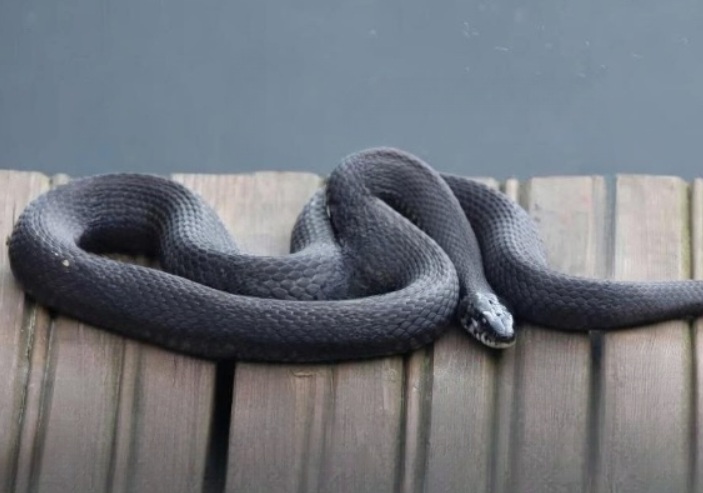
Snakes are both fascinating and intimidating creatures. For many homeowners, especially those living in warmer climates or near natural habitats, encountering a snake near the house can be unsettling. Whether it’s a garden visitor or something closer to your doorstep, the concern is understandable—particularly for families with children or pets.
While some people turn to chemical repellents or professional services, others prefer safer, more natural solutions. Fortunately, there are several scents that snakes tend to avoid due to their highly sensitive detection system. By using these smells strategically, you can create a natural barrier that discourages snakes from entering your space—without harming them or the environment.
This guide explains how seven commonly available scents—cinnamon, clove, garlic, citrus, peppermint, ammonia, and sulfur—can be used effectively to help reduce the chances of snakes appearing around your home.
Why Scents Can Help Deter Snakes
Snakes rely heavily on their sense of smell to navigate their environment. Instead of using a nose like humans, they use their tongues to collect scent particles and transfer them to a sensory organ in the roof of their mouth. This system makes them extremely responsive to strong or unfamiliar odors.
Certain smells can overwhelm or disrupt this sensory process. When that happens, snakes may choose to avoid the area altogether. This makes scent-based deterrents a useful and humane way to manage outdoor spaces.
1. Cinnamon: A Strong Natural Barrier
Cinnamon is widely known for its pleasant aroma, but for snakes, it can be overwhelming.
The active compound in cinnamon creates a sharp scent that can interfere with how snakes detect their surroundings. This makes it useful for creating a natural boundary around your home.
How to use it:
Mix cinnamon essential oil with water and spray it along entry points, fences, and garden edges.
Sprinkle cinnamon powder in areas where snakes might travel, such as near foundations or under decks.
Reapply regularly, especially after rain, to maintain effectiveness.
2. Clove: A Powerful Companion to Cinnamon
Clove works similarly to cinnamon but adds another layer of intensity.
Its strong aroma can further disrupt a snake’s sensory system, making it less likely to explore treated areas.
How to use it:
Combine clove oil with cinnamon oil for a more potent spray.
Soak cotton balls in clove oil and place them in hidden corners, sheds, or storage areas.
Using clove together with cinnamon can help create a more noticeable scent barrier.
3. Garlic: A Natural Defense with Strong Odor
Garlic produces a strong smell when crushed, which can be unpleasant for many animals—including snakes.
This scent can act as a deterrent, especially when applied around areas where snakes might enter.
How to use it:
Crush fresh garlic and mix it with water to create a spray.
Apply the mixture along garden borders, doorways, and cracks.
Garlic can also be combined with other scents to enhance overall effectiveness.
4. Citrus: Fresh but Unappealing to Snakes
Citrus fruits like lemons and oranges contain natural oils that produce a sharp, tangy scent.
While refreshing for humans, this smell can be irritating to snakes.
How to use it:
Scatter citrus peels around outdoor spaces such as patios or garden beds.
Boil peels in water to create a homemade spray for regular use.
Citrus is especially useful during warmer months when snakes are more active.
5. Peppermint: Cooling but Intense
Peppermint oil contains menthol, which creates a strong and cooling sensation.
This can interfere with a snake’s ability to sense its surroundings, making the area less appealing.
How to use it:
Mix peppermint oil with water and spray around fences, entry points, and pathways.
Plant peppermint in your garden for a continuous natural scent.
Peppermint also has the added benefit of freshening outdoor spaces.
6. Ammonia: Use with Caution
Ammonia has a very strong smell that many animals instinctively avoid.
It can be effective in discouraging snakes, but it should be handled carefully.
How to use it safely:
Dilute ammonia with water before applying it outdoors.
Soak rags in the solution and place them in areas where snakes may hide, such as under porches.
Avoid using ammonia in enclosed spaces or near plants and pets.
7. Sulfur: A Traditional Outdoor Deterrent
Sulfur has a distinctive odor that can make environments less inviting for snakes.
It is often used in outdoor applications as a powder.
How to use it:
Sprinkle sulfur in a thin line around your property.
Reapply periodically, especially after heavy rain.
When handling sulfur, it’s best to wear gloves and avoid direct contact.
Combining Scents for Better Results
Using a single scent may help, but combining several can create a stronger deterrent effect.
For example:
Use sulfur or cinnamon powder as a base layer.
Apply sprays made from peppermint, citrus, or clove oils on top.
Place garlic or clove-soaked materials in hidden areas.
Rotating scents occasionally can also help prevent animals from becoming used to them.
Additional Tips to Reduce Snake Activity
While scents can be helpful, they work best when combined with good outdoor maintenance:
Keep grass trimmed and remove debris piles
Store firewood off the ground
Seal gaps in walls, doors, and foundations
Avoid leaving pet food outside
Reduce standing water where possible
These steps help make your property less attractive overall.
Safety Considerations
Natural solutions are generally safer than chemical alternatives, but it’s still important to use them responsibly:
Always dilute essential oils before use
Keep strong substances away from children and pets
Test small areas before widespread application
Avoid mixing different chemicals without guidance
Taking these precautions ensures your approach remains safe and effective.
Understanding the Limitations
It’s important to remember that these methods are deterrents—not guarantees.
If a snake is highly motivated (for example, searching for food or shelter), it may still enter an area despite scent barriers. In such cases, contacting local wildlife professionals is the safest option.
A Balanced, Natural Approach
Using scents like cinnamon, clove, garlic, citrus, peppermint, ammonia, and sulfur offers a practical and eco-friendly way to reduce the likelihood of snake encounters.
Instead of relying on harsh chemicals, you can create a protective environment that works with nature rather than against it.
With consistent use, proper maintenance, and a thoughtful approach, these natural methods can help you feel more comfortable and confident in your home and outdoor spaces.
Final Thoughts
Keeping snakes away doesn’t have to involve extreme measures. Sometimes, simple and natural solutions can make a meaningful difference.
By understanding how scent affects snake behavior and applying these techniques consistently, you can create a space that feels safer while still respecting the natural ecosystem around you.
Small changes—like a well-placed scent barrier or a regularly maintained yard—can go a long way in helping you enjoy your home with peace of mind.