In an industry often obsessed with youth, reinvention, and the next big thing, there exists a rare and powerful counterpoint: longevity.
Not just survival — but relevance.
Not just age — but continued presence.
In 2025, several legendary performers from film, television, and music remain living testaments to endurance, creativity, and cultural impact. Among them stands a 103-year-old musical icon who continues to symbolize an entire era of American entertainment. Yet he is not alone. Surrounding him is an extraordinary constellation of artists in their 80s, 90s, and even past 100 — individuals whose careers shaped the 20th century and whose influence continues to ripple outward today.
Their stories are not merely about long lives.
They are about sustained brilliance.
They are about adapting across decades of technological revolution, shifting tastes, social transformation, and artistic evolution.
And they remind us of something powerful:
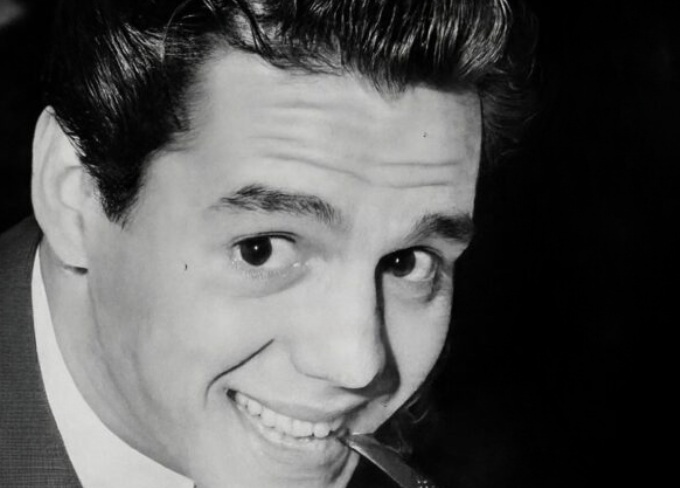
The 103-Year-Old Who Keeps the Music Alive: Ray Anthony
At 103 years old, Ray Anthony represents one of the final living bridges to the golden era of American big-band music.
Born in 1922, he rose to prominence during the height of swing and post-war dance orchestras. His trumpet style was bold yet melodic, his arrangements energetic yet refined. At a time when dance halls were packed and live orchestras were the heartbeat of American nightlife, Ray Anthony was at the center of it all.
He performed alongside legends.
He led orchestras that defined evenings for thousands.
He recorded songs that became part of mid-century American identity.
But what makes his story remarkable isn’t only that he lived through the swing era — it’s that he remains a living voice from it.
The big-band era may now be a chapter in music history books, yet through Ray Anthony, it retains a living presence.
He is not just a memory.
He is continuity.
A Guardian of Cultural Sound: Elizabeth Waldo
Born in 1918, Elizabeth Waldo’s career moved in a different but equally powerful direction. Rather than simply performing, she became a preserver — and revitalizer — of indigenous musical traditions across the Americas.
As a violinist, composer, and ethnomusicologist, Waldo immersed herself in traditional music long before global fusion became fashionable. She traveled, studied, and recorded sounds that might otherwise have been lost to time.
Her work bridged anthropology and performance.
She understood that music carries history — that rhythms and melodies encode identity, ancestry, and resilience.
To reach 100 years of age having not only witnessed but actively shaped cultural preservation is extraordinary.
Her legacy is not confined to concert halls.
It lives in classrooms, archives, and communities.
Hollywood’s golden age often feels mythic — black-and-white glamour, sprawling studio backlots, epic productions.
Yet Karen Marsh Doll remains a living thread to that era.
Born in 1919, she appeared in films during the 1930s and 40s, including roles connected to classics like The Wizard of Oz and Gone with the Wind. Her career places her within one of cinema’s most transformative periods — when Technicolor dazzled audiences and studio contracts shaped careers.
To hear her recount stories from that time is to step directly into cinematic history.
She reminds us that the golden age wasn’t just iconic films — it was living, breathing artists navigating ambition, pressure, and rapid change.
June Lockhart’s career spans radio, film, and television, with memorable roles in family classics that defined mid-century entertainment.
Her presence carried warmth, intelligence, and steadiness.
For generations, she represented a certain kind of reassurance — the dependable figure in uncertain worlds.
That she remains an admired figure today speaks to more than nostalgia.
It speaks to the durability of sincerity on screen.
Hollywood Elegance Personified: Eva Marie Saint
Eva Marie Saint’s Academy Award-winning career placed her among Hollywood’s most respected dramatic talents.
From tense thrillers to intimate dramas, she brought complexity and subtle strength to her roles.
Her longevity highlights something crucial: artistry deepens with experience.
Where younger actors might rely on energy alone, veterans like Saint draw from decades of lived nuance.
The Joyful Dynamo: Dick Van Dyke
Dick Van Dyke remains perhaps the most visibly joyful nonagenarian in entertainment.
Dancer. Comedian. Actor. Singer.
He embodies vitality.
Even into his late 90s, his public appearances radiate playfulness and gratitude.
His career stretches from early television variety shows to iconic musical films, and his influence on physical comedy is undeniable.
He proves that spirit can remain youthful even when years accumulate.
Comedy’s Sharpest Mind: Mel Brooks
Mel Brooks revolutionized satire.
From Blazing Saddles to Young Frankenstein, his comedic instincts dismantled conventions while celebrating them.
Reaching nearly a century of life while maintaining sharp wit is itself a marvel.
Brooks represents comedic fearlessness — and the enduring power of laughter.