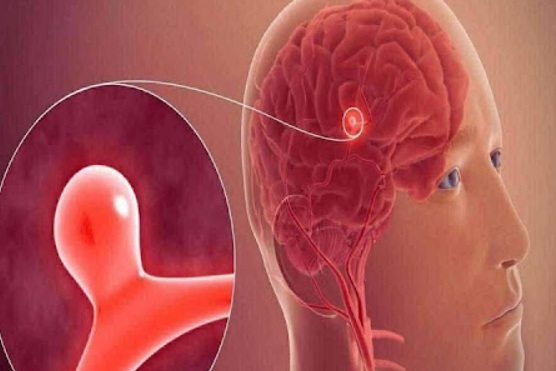
12 signs that may signal a brain aneurysm — Don’t ignore them
An unruptured aneurysm pressing on nerves that control eye movement can cause visual disturbances.
5. Drooping Eyelid
Sudden ptosis (droop) on one side, often with a dilated pupil—sign of pressure on the oculomotor nerve.
6. Sensitivity to Light (Photophobia)
Unusual discomfort in normal lighting, especially with headache or neck stiffness.
7. Seizure (First-Time or Unexplained)
A ruptured aneurysm can irritate brain tissue and trigger a seizure—even in people with no history.
8. Loss of Consciousness or Fainting
Can occur at the moment of rupture due to sudden pressure changes in the brain.
⚠️ Subtler Signs of an Unruptured Aneurysm (Often Overlooked)
9. Persistent, Localized Headaches
Recurring headaches in the same spot (e.g., behind one eye)—not relieved by usual remedies.
10. Dilated Pupil (One Eye)
One pupil larger than the other, especially with vision changes or eye pain.
11. Numbness or Weakness on One Side of the Face
Caused by pressure on cranial nerves—may come and go.
12. Difficulty Speaking or Confusion
Slurred speech, trouble finding words, or mental fogginess without clear cause.
❤️ Who’s at Higher Risk?
Family history of aneurysms
Smoking or heavy alcohol use
High blood pressure
Polycystic kidney disease
Age 40+ (most common between 35–60)
💡 Important: Many brain aneurysms cause no symptoms at all and are found incidentally during scans for other issues.
🆘 What to Do If You Notice These Signs
Call emergency services immediately—do not drive yourself.
Note the exact time symptoms started—this guides critical treatment.
Even if symptoms fade, go to the ER. A “sentinel headache” can precede a full rupture within hours or days.
🌟 Final Thought
A brain aneurysm doesn’t always roar—it sometimes whispers.
But those whispers can save your life—if you listen.
“In stroke and aneurysm, minutes are brain cells. When in doubt, act fast.”
Your quick response could mean the difference between recovery and tragedy. Trust your instincts. Seek help. 💛